
정밀 CNC 가공 서비스 | 맞춤형 CNC 밀링 및 선반 가공 부품
고정밀 맞춤형 CNC 가공
알루미늄 합금, 스테인리스강, 탄소강, 황동, 구리, 티타늄, 엔지니어링 플라스틱 등을 대상으로 한 고정밀 맞춤형 CNC 가공. 신속한 시제품 제작 및 소량 양산.
- CNC 가공은 맞춤형 금속 및 플라스틱 부품을 제작하기 위한 절삭 방식의 정밀 제조 공정입니다.
- 당사는 복잡하고 공차 요구가 높은 부품에 대한 CNC 밀링, CNC 선반 가공, 3/4/5축 가공 서비스를 제공합니다.
- 시제품, 소량 생산 및 OEM 양산을 지원하며, 항공우주, 자동차, 의료 장비, 산업 자동화, 유압 및 공압 부품, 통신 장비 분야에서 널리 사용됩니다.
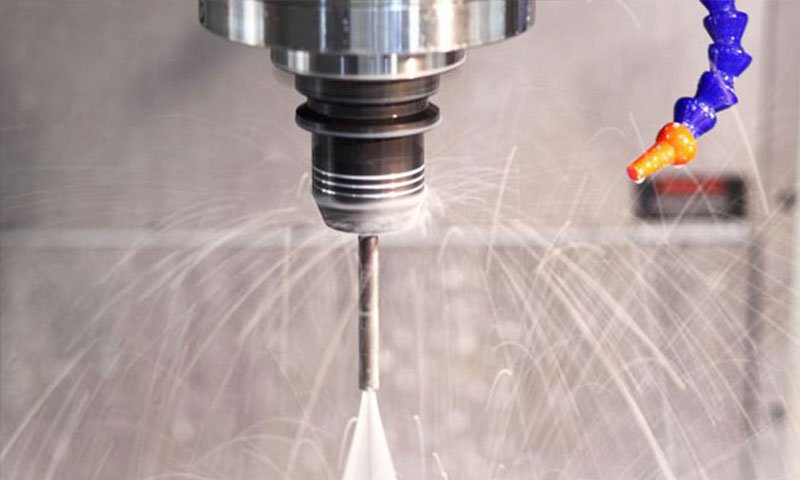
당사의 CNC 가공 역량
-
정밀 공차: ±0.01mm – ±0.005mm의 고정밀도
-
기계 종류: 3축, 4축, 5축 CNC 밀링 / CNC 선반 가공
-
이용 가능한 자료: 알루미늄, 스테인리스강, 탄소강, 황동, 구리, POM, ABS
-
표면 마감: 양극 산화 처리, 도금, 연마, 샌드블라스팅, 열처리
-
생산 범위: 신속 시제품 제작, 소량 생산, OEM 대량 생산
-
지원되는 파일: STEP, IGES, STL, DWG, DXF
CNC 가공 유형
-
CNC 밀링: 복잡한 캐비티, 패널, 하우징, 불규칙한 구조물의 경우
-
CNC 선반 가공: 축, 볼트, 슬리브, 나사산 가공된 관형 부품용
-
5축 CNC 가공: 매우 복잡한 곡면 및 항공우주 부품용
-
정밀 드릴링 및 태핑: 고정밀 구멍 가공
CNC 대 주조 / 다이캐스팅
또한 주조 및 단조 블랭크에 대한 2차 CNC 가공 서비스를 제공하여, 최종 조립 시 높은 정밀도의 공차를 달성합니다.
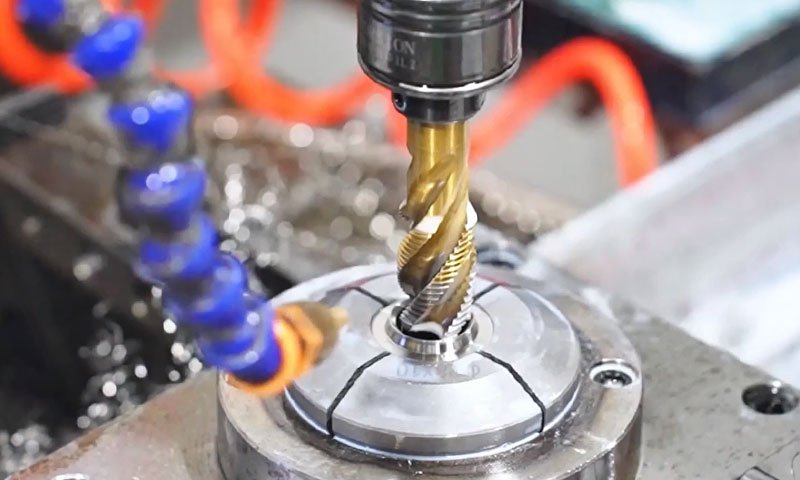
CNC 가공
다음에 가장 적합합니다: 고정밀, 시제품, 복잡한 표면, 소량 생산
관용: ±0.005mm~±0.01mm
최소 주문 수량(MOQ): 1개
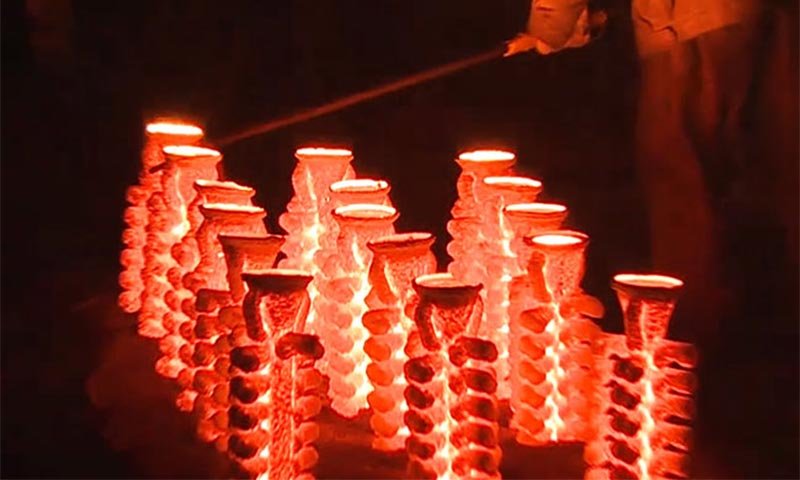
투자 캐스팅
다음에 가장 적합합니다: 복잡한 금속 부품, 중량 생산, 저비용
관용: ±0.1mm
최소 주문 수량(MOQ): 50개 이상
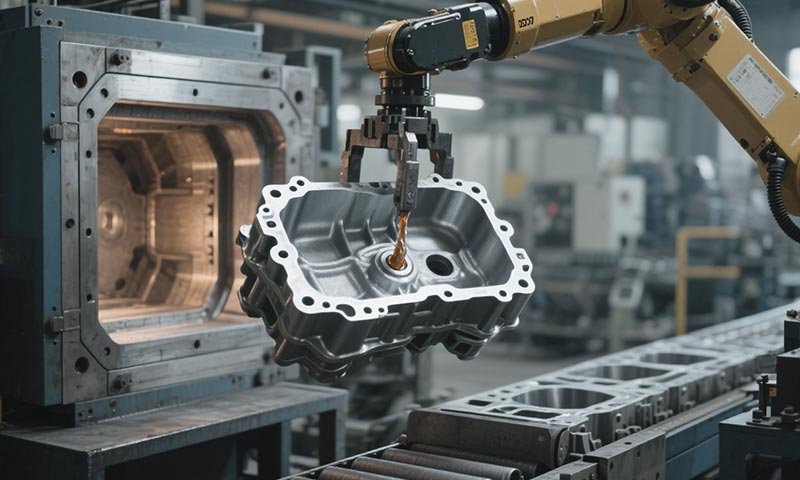
다이 캐스팅
다음에 가장 적합합니다: 대용량 알루미늄/아연 합금 하우징
관용: ±0.1~0.2mm
최소 주문 수량(MOQ): 500개 이상
CNC 가공 공정 흐름(표준 작업 절차)
1단계: 도면 작성 및 DFM 평가
당사의 전문 엔지니어들이 고객의 CAD 파일, 기술적 파라미터, 공차 요구 사항 및 재료 특성을 분석합니다. 당사는 제조에 앞서 부품 구조를 최적화하고, 생산 비용을 절감하며, 가공 위험을 방지하기 위해 무료 DFM 피드백을 제공합니다.
2단계: CNC 프로그래밍 및 시뮬레이션
전문 프로그래머들은 3축, 4축, 5축 가공기를 위한 정밀한 가공 프로그램을 작성합니다. 모든 가공 경로는 사전에 시뮬레이션되어 과도한 절삭, 충돌, 공구 편차와 같은 오류를 방지함으로써 가공 정밀도와 안전성을 보장합니다.
3단계: 원료 준비
부품 사양에 따라 적격 원자재(알루미늄, 강철, 플라스틱 등)를 선정하고, 정밀 가공을 위해 적절한 가공 여유를 확보한 상태에서 가공 치수에 맞도록 재료 블랭크를 절단 및 전처리합니다.
4단계: 거친 가공
고속 황삭 가공을 통해 불필요한 재료를 대부분 제거하고, 부품의 기본 윤곽을 신속하게 형성하며, 소량의 마무리 여유를 남겨두어 후속 정밀 가공의 효율을 크게 향상시킵니다.
5단계: 가공 완료
최적화된 공구와 가공 파라미터를 활용하여 정밀한 절삭을 수행함으로써 최종 치수, 정밀한 구멍, 나사산, 곡면 및 조립 구조를 완성합니다. 이 공정은 ±0.005mm~±0.01mm 범위 내에서 코어 공차를 제어하여 고정밀 조립 요구 사항을 충족시킵니다.
6단계: 디버링 및 연마
가공 과정에서 생긴 날카로운 모서리, 버 및 공구 자국을 제거하고, 수동 또는 기계적 연마를 통해 부품 표면의 평활도와 외관 품질을 향상시킵니다.
7단계: 표면 처리
부품의 내식성, 경도 및 미관을 향상시키기 위해 양극 산화 처리, 샌드블라스팅, 도금, 분체 도장, 열처리 및 패시베이션 등 맞춤형 표면 처리를 완벽하게 제공합니다.
8단계: 엄격한 품질 검사
캘리퍼스, 마이크로미터, 좌표 측정기(CMM) 및 기타 정밀 장비를 사용하여 부품의 치수, 공차, 표면 거칠기 및 외관을 검사합니다. 일괄 주문에 대한 공식 검사 보고서를 작성합니다.
9단계: 포장 및 배송
정밀 부품의 운송 중 손상을 방지하기 위해 충돌 방지 및 방습 기능이 있는 전문 포장재를 채택하고, 신속하고 맞춤형 배송 솔루션을 지원합니다.
당사의 강점
-
최소 주문 수량(MOQ) 없음, 1개 단위의 시제품 제작 가능
-
엄격한 공차 관리 및 전체 검사 보고서
-
빠른 납기 (시제품의 경우 3~7일)
-
엔지니어 1:1 기술 지원
-
CNC 가공, 주조, 표면 처리를 결합하여 원스톱 서비스를 제공합니다
수진 주조 원리
수이진은 설계 평가부터 최종 납품에 이르기까지 표준화되고 엄격한 CNC 가공 제조 공정을 따르며, 모든 맞춤형 부품이 정밀한 공차 요건과 품질 기준을 충족하도록 보장합니다.
자주 묻는 질문
Q1: CNC 가공이란 무엇입니까?
당사의 전문 엔지니어들이 고객의 CAD 파일, 기술적 파라미터, 공차 요구 사항 및 재료 특성을 분석합니다. 당사는 제조에 앞서 부품 구조를 최적화하고, 생산 비용을 절감하며, 가공 위험을 방지하기 위해 무료 DFM 피드백을 제공합니다.
Q2: CNC 가공이 주조보다 더 낫습니까?
CNC 가공은 정밀도가 높고 금형 비용이 들지 않아 시제품 및 소량 생산에 적합하며, 주조 공법은 대량 저비용 생산에 더 적합합니다.
Q3: 어떤 파일 형식을 지원하나요?
STEP, IGES, STL, DWG, DXF, PDF 도면.