صب وصلات الفصل السريع: اختيار المواد، الأنواع، وإرشادات الشراء
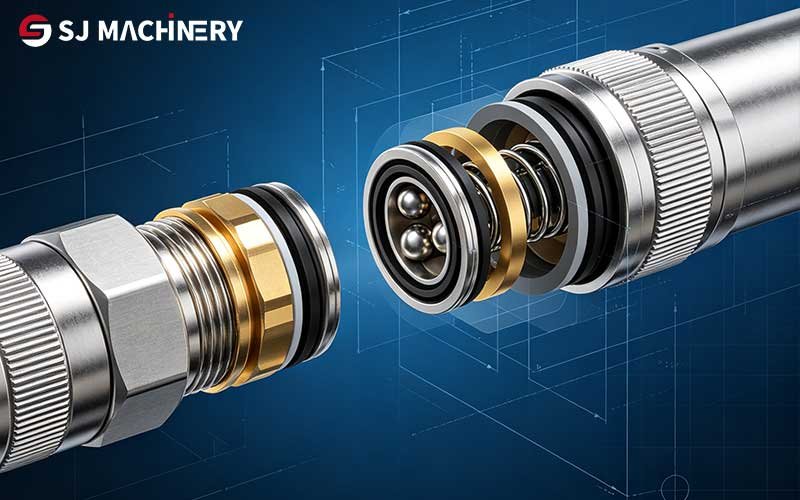
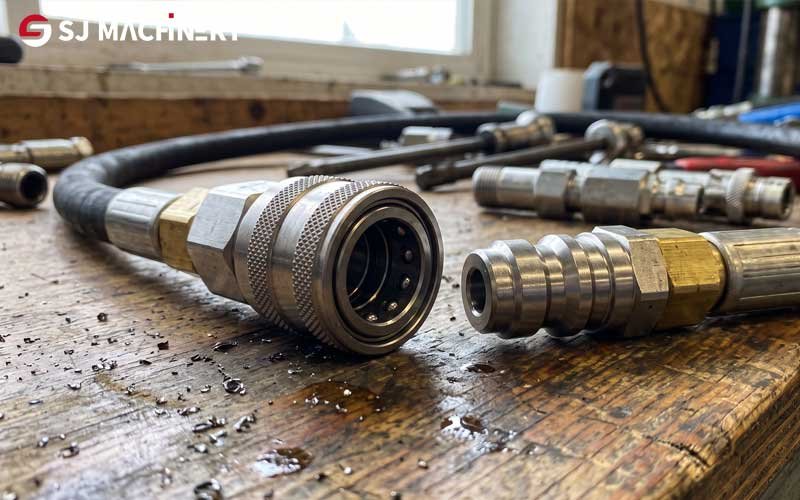
وصلات الفصل السريع (QDC)، والمعروفة أيضًا باسم وصلات التحرير السريع، هي وصلات ميكانيكية تتيح توصيل وفصل خطوط أنابيب السوائل دون الحاجة إلى أدوات، وذلك في الأنظمة الهوائية والهيدروليكية والكيميائية وأنظمة نقل السوائل. تتكون كل مجموعة وصلة من مقبس (أنثى) وقابس (ذكر) متطابقين. تعمل هياكل القفل الكروية الداخلية على تأمين التوصيل، بينما تحقق الصمامات الفحصية المدمجة في الطرز المتميزة الإغلاق التلقائي عند الفصل لمنع تسرب السوائل.
يُصنع الجزء الأساسي من جهاز QDC عادةً عن طريق الصب الدقيق، بما في ذلك الصب بالقالب الاستثماري،, الصب بالرمل والصب بالضغط. ويحدد عملية الصب القوة الهيكلية ومقاومة الضغط واتساق أبعاد المقابس والمآخذ. ويؤدي استخدام مواد أو عمليات صب غير مناسبة إلى حدوث تشققات وتآكل وتسرب، مما يؤثر بشكل خطير على سلامة النظام.
مدعومة بالتوسع في مجالات الأتمتة الصناعية وآلات البناء والطاقة الجديدة والصناعات الكيميائية الصناعات التحويلية, ، بلغ حجم سوق الوصلات السريعة العالمية 3.8 مليار دولار أمريكي في عام 2025، ومن المتوقع أن يصل إلى 6.2 مليار دولار أمريكي بحلول عام 2034 بمعدل نمو سنوي مركب يبلغ 5.6%.
تستحوذ الوصلات الهيدروليكية على حصة سوقية تبلغ 42.3%، بينما تمثل الوصلات المصبوبة من المعدن ما يقارب 70% من إجمالي الطلب على المنتج. وتستحوذ منطقة آسيا والمحيط الهادئ على حصة سوقية إقليمية تبلغ 36.2%، لتصبح بذلك قاعدة الإنتاج والاستهلاك الأسرع نموًّا لمكونات الصب QDC.
1. التصنيف الأساسي لهياكل الإغلاق الخاصة بـ QDC
يحدد تكوين الصمام الداخلي أداء التسرب أثناء الفصل، وهو عامل أساسي في تصميم مواصفات الصب.
الجدول 1: مقارنة بين ثلاثة أنواع رئيسية من صمامات الإغلاق في نظام QDC
| النوع | تصميم الصمام الداخلي | الخصائص الأساسية | المتطلبات الأساسية لاختيار الممثلين | التطبيقات النموذجية |
|---|---|---|---|---|
| المعالجة المباشرة | لا يوجد صمام فحص مدمج في القابس والمقبس | تدفق أقصى، انخفاض ضغط أدنى؛ فتح كامل عند فصل الأنبوب | صب قناة تدفق داخلية سلسة، بدون تجويف صمام معقد | آلات الغسيل بالضغط العالي، ونقل الملاط والسوائل عالية اللزوجة |
| صمام إغلاق فردي | صمام الفحص موجود داخل التجويف فقط؛ أما السدادة فهي ممر مفتوح | يتم إغلاق الوصلة تلقائيًّا؛ ويتم تصريف السائل المتبقي من طرف السدادة | تجويف الصمام مصبوب ومُحكم الإغلاق على الجسم الأنثوي، وهيكل سدادة بسيط | الأدوات الهوائية، وأنابيب المياه العادية، وضواغط الهواء |
| إغلاق مزدوج | صمامات فحص مُركَّبة على كل من الوصلة والمقبس | إحكام الإغلاق في الاتجاهين، وفصل دون انسكاب؛ خطر تراكم الضغط | الصب الدقيق بالنسبة لتجاويف تركيب الصمامات المزدوجة، تفاوت أبعاد ضيق | النظم الهيدروليكية الصناعية، السوائل الكيميائية، نقل المبردات |
ملاحظة: الوصلات ذات الأسطح المسطحة والمقاومة للتسرب هي نسخ مطورة ذات إغلاق مزدوج، وتتطلب صبًا فائق الدقة لأسطح الإحكام المسطحة لضمان عدم وجود أي تسرب متبقي.
2. دليل مطابقة مواد هيكل القالب ومواد الختم
يتجاهل العديد من المشترين ضرورة مطابقة مادة هيكل القطعة المصبوبة مع مادة مانع التسرب. فالقطعة المعدنية المصبوبة تتحمل الضغط والتآكل الخارجي، في حين أن الحلقات الدائرية (O-rings) تتلامس مباشرة مع الوسط العامل. وتؤدي التركيبات غير المتوافقة إلى الانتفاخ والتقادم والتسرب.
الجدول 2: مصفوفة اختيار مواد هيكل الصب ومانع التسرب من QDC
| السائل العامل | مادة هيكل القالب الموصى بها | مادة الختم المناسبة | ضغط التشغيل المعتاد | القيود التي يجب تجنبها |
|---|---|---|---|---|
| زيت هيدروليكي / مادة تشحيم | الفولاذ الكربوني المصبوب، الفولاذ السبائكي | NBR / FKM | 200–700+ بار | لا يمكن استخدام الفولاذ الكربوني مع المياه النقية (خطر الصدأ) |
| مياه التبريد / مياه الصنبور | نحاس مصبوب، فولاذ مقاوم للصدأ 304 | NBR / EPDM | <50 بار | يجب تجنب استخدام الزيوت المشتقة من البترول مع الأختام المصنوعة من مادة EPDM |
| الماء الساخن والبخار منخفض الحرارة | نحاس مصبوب / فولاذ مقاوم للصدأ 316 | EPDM | <50 بار | يتآكل مادة NBR بسرعة في ظل درجات حرارة عالية مستمرة |
| المواد الكيميائية الحمضية والقلوية القوية | صب الفولاذ المقاوم للصدأ 316 / صب البولي بروبيلين | FKM / PTFE | ضغط منخفض إلى متوسط | يتعرض الفولاذ الكربوني العادي والنحاس الأصفر للتآكل السريع |
| سائل صالح للاستخدام الغذائي / ماء مُقطر | فولاذ مقاوم للصدأ من النوع 316 المصبوب والمخصص للاستخدام الغذائي | سيليكون مخصص للاستخدام الغذائي / FKM | <50 بار | سبيكة تحتوي على الزنك المسبوكات يُحظر استخدامها في الأغراض التي تتلامس مع الأغذية |
3. العمليات الشائعة لصب مكونات QDC
مختلف تقنيات الصب تحديد التشطيب السطحي، والتفاوت المسموح به في الأبعاد، والتكلفة الخاصة بمقابس ومقابس التوصيل.
الجدول 3: العمليات الرئيسية لصب أجسام الوصلات سريعة الفصل
| تكنولوجيا الصب | المواد القابلة للتطبيق | التفاوت المسموح به في الأبعاد | خشونة السطح | منتجات QDC الأكثر ملاءمةً |
|---|---|---|---|---|
| الصب الاستثماري (طريقة الشمع المفقود) | الفولاذ المقاوم للصدأ، الفولاذ الكربوني، الفولاذ السبائكي | IT7–IT9 | Ra 0.8–3.2 ميكرومتر | وصلات هيدروليكية عالية الضغط، وصلات مسطحة الوجه مانعة للتسرب، وصلات QDC المقاومة للتآكل الكيميائي |
| صب النحاس بالقالب | النحاس الأصفر، سبيكة النحاس | IT8–IT10 | Ra 1.6–6.3 ميكرومتر | وصلات سريعة من النحاس للضغط المنخفض والمتوسط، تعمل بالهواء المضغوط والماء |
| الصب بالرمل | الفولاذ الكربوني، الحديد المطاوع | IT10–IT12 | Ra 6.3–25 ميكرومتر | وصلات «كاملوك» ذات القطر الكبير، ووصلات سوائل منخفضة التكلفة ومخصصة للاستخدامات الشاقة |
| القولبة بالحقن البلاستيكي | PP، PVDF، POM | IT9–IT11 | Ra 1.6–6.3 ميكرومتر | وصلات بلاستيكية طبية وكيميائية سريعة التوصيل للضغط المنخفض |
4. استشارات شاملة بشأن الشراء واختيار القوالب
4.1 تأكد أولاً من معلمات النظام قبل البدء في عملية التخصيص
- وسيط العمل: تحديد الخصائص الكيميائية للسائل لتثبيت سبيكة الصب ومواد الإحكام؛;
- الضغط المقنن: عادةً ما يتوافق القطر الاسمي الأكبر مع ضغط تشغيل أقصى أقل؛ يجب التحقق من متطلبات ضغط الانفجار عند تصميم القوالب؛;
- نطاق درجات الحرارة: تتطلب درجات الحرارة العالية/المنخفضة للغاية تعديل المعالجة الحرارية للصب واستخدام مركبات مانعة للتسرب خاصة؛;
- متطلبات التسرب: اختر بين التصميم المباشر، أو التصميم ذي الصمام الإغلاق الواحد، أو التصميم ذي الصمام الإغلاق المزدوج، وتأكد مما إذا كان التصميم ذو الوجه المسطح المضاد للتسرب مطلوبًا أم لا.
4.2 المواصفات الفنية لموردي قطع الصب
- بالنسبة لنظام QDC الهيدروليكي عالي الضغط: يلزم استخدام تقنية الصب بالقالب مع إجراء اختبارات غير مدمرة (الفحص بالأشعة السينية) للتخلص من مسام الانكماش الداخلية؛;
- بالنسبة للبيئات المسببة للتآكل: يجب أن تخضع المسبوكات المصنوعة من الفولاذ المقاوم للصدأ 316 لمعالجة التخميل؛ أما المسبوكات المصنوعة من الفولاذ الكربوني فتخضع لعملية الجلفنة أو الطلاء بالنيكل؛;
- الإنتاج الضخم: تأكد من أن المصنع يدعم عمليات ما بعد الصب التصنيع باستخدام الحاسب الآلي (CNC) للأخاديد الداخلية، وأسطح الإحكام، وخصائص الخيوط.
4.3 الأخطاء الشائعة التي يجب تجنبها
- لا تركز فقط على المواد الخارجية متجاهلاً توافق الختم الداخلي؛;
- تجنب استخدام صب الرمل في صناعة الوصلات الهيدروليكية عالية الضغط — فقد تؤدي العيوب الداخلية إلى انفجار مفاجئ؛;
- لا تخلط بين أجسام الوصلات المصنعة من قبل شركات صب مختلفة؛ فعدم اتساق دقة الأبعاد يؤدي إلى ضعف التثبيت وحدوث التسرب.
5. الخاتمة
يُعد صب وصلات الفصل السريع الأساس الذي يرتكز عليه الأداء الموثوق لربط السوائل. فالتوافق السليم بين تقنية الصب ومواد السبائك وهيكل الإغلاق يسهم بشكل مباشر في إطالة العمر التشغيلي وتقليل مخاطر السلامة التشغيلية. ومع استمرار ارتفاع الطلب على موصلات السوائل الخالية من التسرب والمقاومة للضغط العالي والتآكل، يزداد أهمية الصب الدقيق المخصص بالنسبة لمصنعي وصلات الفصل السريع (QDC).
شركة سويجين للآلات تقدم الشركة حلول صب شاملة لموصلات الفصل السريع، بما في ذلك الصب بالقالب الدقيق للفولاذ المقاوم للصدأ، وصب سبائك الفولاذ الكربوني، والصب الدقيق للنحاس الأصفر لمكونات المقابس والموصلات. نحن ندعم التخصيص وفقًا لمعايير OEM و ODM، وندمج عمليات الصب،, التصنيع باستخدام الحاسب الآلي (CNC) وإنهاء الأسطح، وتقديم قطع مصبوبة مؤهلة للوصلات تتوافق مع معايير أنظمة السوائل الهوائية والهيدروليكية والكيميائية والمخصصة للأغذية للمشترين العالميين.