Fundición de acoplamientos de desconexión rápida: selección de materiales, tipos y pautas de adquisición
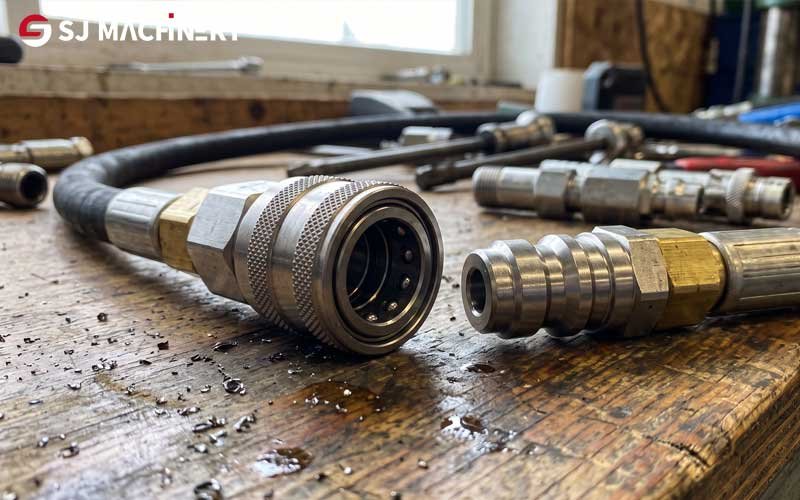
Los acoplamientos de desconexión rápida (QDC), también conocidos como acoplamientos de liberación rápida, son accesorios mecánicos que permiten conectar y desconectar, sin necesidad de herramientas, las tuberías de fluidos en sistemas neumáticos, hidráulicos, químicos y de transferencia de líquidos. Cada conjunto de acoplamiento consta de un conector hembra y un conector macho que encajan entre sí. Las estructuras internas de bloqueo con bola aseguran la conexión, mientras que las válvulas de retención integradas en los modelos de gama alta logran un cierre automático al desconectarse para evitar fugas de fluido.
El cuerpo central del QDC se fabrica habitualmente mediante fundición de precisión, incluida la fundición a la cera perdida, fundición en arena y el moldeo a presión. El moldeo determina la resistencia estructural, la resistencia a la presión y la consistencia dimensional de los conectores hembra y macho. Un material o proceso de moldeo inadecuado provoca fallas por grietas, corrosión y fugas, lo que afecta gravemente la seguridad del sistema.
Con el respaldo del crecimiento de los sectores de la automatización industrial, la maquinaria de construcción, las nuevas energías y la industria química industrias de procesamiento, el mercado mundial de acoplamientos de desconexión rápida alcanzó los 3.8 mil millones de dólares en 2025, y se prevé que llegue a los 6.2 mil millones de dólares para 2034, con una tasa de crecimiento anual compuesto (CAGR) de 5,6%.
Los acoplamientos hidráulicos ocupan una cuota de mercado de 42,3%, y los acoplamientos de fundición metálica representan casi el 70% de la demanda total del producto. La región de Asia-Pacífico cuenta con una cuota de mercado regional de 36,2%, lo que la convierte en la base de producción y consumo de mayor crecimiento para los componentes de fundición QDC.
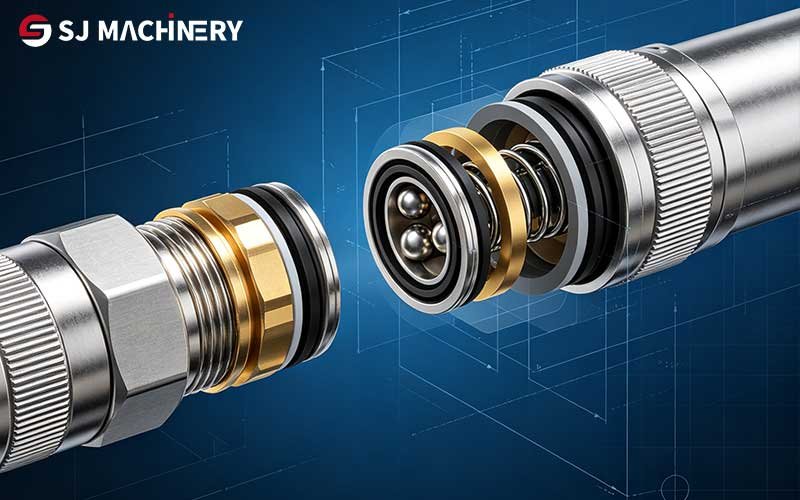
1. Clasificación básica de las estructuras de cierre de QDC
La configuración interna de la válvula determina el nivel de fugas durante la desconexión, lo cual es un factor clave en el diseño de las especificaciones de fundición.
Tabla 1: Comparación de los tres tipos principales de cierre de QDC
| Tipo | Disposición interna de las válvulas | Características principales | Requisitos clave para el casting | Aplicaciones típicas |
|---|---|---|---|---|
| De principio a fin | No hay válvula de retención integrada en el conector macho y la toma hembra | Caudal máximo, caída de presión mínima; apertura total cuando se desconecta | Fundición con canal de flujo interno liso, sin cavidades complejas para válvulas | Lavadoras de alta presión, transferencia de lodos y fluidos de alta viscosidad |
| Cierre único | La válvula de retención se encuentra únicamente dentro del casquillo; el tapón es un paso abierto | El conector se sella automáticamente; el líquido residual sale por el extremo del conector | Cavidad de la válvula sellada moldeada en el cuerpo hembra, estructura de tapón simple | Herramientas neumáticas, tuberías de agua comunes, compresores de aire |
| Doble cierre | Válvulas de retención instaladas tanto en el conector hembra como en el macho | Sellado bidireccional, desconexión sin derrames; riesgo de presión atrapada | Fundición de precisión para cavidades de montaje de válvulas dobles, tolerancia dimensional estricta | Hidráulica industrial, fluidos químicos, transferencia de refrigerantes |
Nota: Los acoplamientos de cara plana a prueba de derrames son variantes mejoradas de doble cierre, que requieren una fundición de ultraprecisión de las superficies de sellado planas para evitar por completo el goteo residual.
2. Guía de compatibilidad entre el cuerpo de la pieza fundida y el material del sello
Muchos compradores no tienen en cuenta la importancia de que el material del cuerpo de la pieza fundida y el material de sellado sean compatibles. La pieza fundida de metal soporta la presión y la corrosión externa, mientras que las juntas tóricas están en contacto directo con los medios de trabajo. Las combinaciones incompatibles provocan hinchazón, envejecimiento y fugas.
Tabla 2: Matriz de selección de materiales para el cuerpo de fundición y el sello de QDC
| Fluido de trabajo | Material recomendado para el cuerpo de la pieza fundida | Material adecuado para el sello | Presión de trabajo típica | Limitaciones que hay que evitar |
|---|---|---|---|---|
| Aceite hidráulico / Lubricante | Acero al carbono fundido, acero aleado | NBR / FKM | 200–700+ bar | El acero al carbono no se puede usar para agua pura (riesgo de óxido) |
| Agua de enfriamiento / Agua del grifo | Latón fundido, acero inoxidable 304 | NBR / EPDM | <50 bar | Las juntas de EPDM no deben entrar en contacto con aceites derivados del petróleo |
| Agua caliente y vapor a baja temperatura | Latón fundido / Acero inoxidable 316 | EPDM | <50 bar | El NBR se degrada rápidamente cuando se expone a altas temperaturas de manera continua |
| Productos químicos ácidos y alcalinos fuertes | Acero inoxidable 316 fundido / Fundición de PP | FKM / PTFE | Presión baja a media | El acero al carbono común y el latón sufren una corrosión rápida |
| Agua líquida de grado alimenticio / Agua desionizada | Acero inoxidable 316 fundido apto para uso alimentario | Silicona apta para uso alimentario / FKM | <50 bar | Aleación que contiene zinc piezas fundidas están prohibidos para el contacto con alimentos |
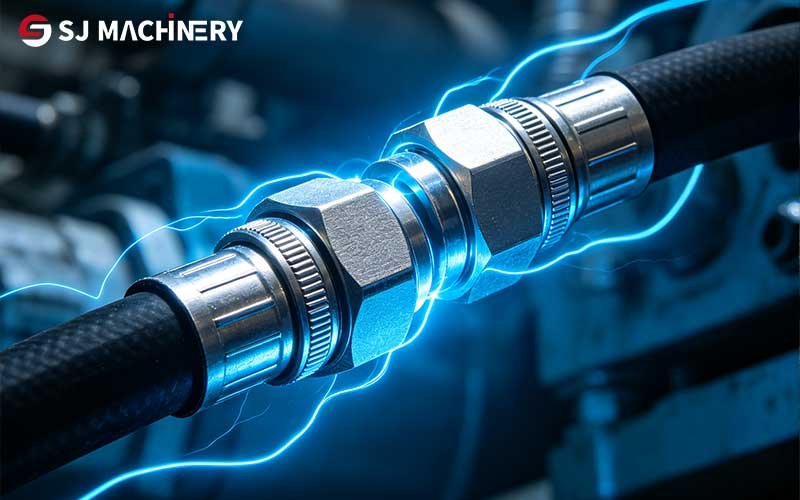
3. Procesos comunes de fundición para componentes QDC
Diferente tecnologías de fundición determinar el acabado superficial, la tolerancia dimensional y el costo de los enchufes y conectores de acoplamiento.
Tabla 3: Principales procesos de fundición para los cuerpos de acoplamientos de desconexión rápida
| Tecnología de fundición | Materiales aplicables | Tolerancia dimensional | Rugosidad superficial | Productos QDC más adecuados |
|---|---|---|---|---|
| Fundición por inversión (cera perdida) | Acero inoxidable, acero al carbono, acero aleado | IT7–IT9 | Ra 0,8–3,2 μm | Acoplamientos hidráulicos de alta presión, acoplamientos de cara plana a prueba de fugas, QDC con protección química anticorrosiva |
| Fundición a presión de latón | Latón, aleación de cobre | IT8–IT10 | Ra 1,6–6,3 μm | Acoplamientos rápidos de latón para sistemas neumáticos y de agua de baja y media presión |
| Fundición en arena | Acero al carbono, hierro dúctil | IT10–IT12 | Ra 6,3–25 μm | Acoplamientos Camlock de gran calibre, conectores para fluidos de alta resistencia y bajo costo |
| Moldeo por inyección de plástico | PP, PVDF, POM | IT9–IT11 | Ra 1,6–6,3 μm | Acoplamientos rápidos de plástico para uso médico y químico a baja presión |
4. Asesoramiento integral sobre compras y selección de reparto
4.1 Verifica primero los parámetros del sistema antes de realizar la personalización del moldeado
- Medio de trabajo: Definir las propiedades químicas del fluido para fijar la aleación de fundición y el material del sello;
- Presión nominal: Un diámetro nominal mayor suele corresponder a una presión máxima de trabajo más baja; verifica los requisitos de presión de ruptura para el diseño de la pieza fundida;
- Rango de temperatura: Las temperaturas extremadamente altas o bajas requieren un tratamiento térmico de fundición adaptado y compuestos de sellado especiales;
- Requisito de fuga: Seleccione una estructura de paso directo, de cierre simple o de cierre doble, y confirme si se requiere un diseño de cara plana a prueba de derrames.
4.2 Especificaciones técnicas para los proveedores de piezas fundidas
- Para QDC hidráulico de alta presión: Exigir que la fundición por colada de precisión se someta a pruebas no destructivas (inspección por rayos X) para eliminar los poros de contracción interna;
- Para entornos corrosivos: Las piezas fundidas de acero inoxidable 316 deben someterse a un tratamiento de pasivación; las piezas fundidas de acero al carbono se galvanizan o se niquelan;
- Producción en masa: Confirma que la fundición ofrezca servicios de posfundición Mecanizado CNC para ranuras internas, superficies de sellado y elementos roscados.
4.3 Errores comunes que hay que evitar
- No te centres únicamente en el material exterior sin tener en cuenta la compatibilidad del sello interno;
- Evita utilizar el moldeo en arena para acoplamientos hidráulicos de alta presión, ya que los defectos internos podrían provocar una ruptura repentina;
- No mezcles cuerpos de acoplamiento de distintos fabricantes de piezas fundidas; la falta de precisión dimensional provoca un mal cierre y fugas.
5. Conclusión
La fundición de acoplamientos de desconexión rápida es la base para un rendimiento confiable en las conexiones de fluidos. La combinación adecuada de la tecnología de fundición, el material de la aleación y la estructura de cierre prolonga directamente la vida útil y reduce los riesgos de seguridad operativa. A medida que sigue aumentando la demanda de conectores de fluidos sin fugas, de alta presión y resistentes a la corrosión, la fundición de precisión personalizada se vuelve cada vez más esencial para los fabricantes de acoplamientos de desconexión rápida (QDC).
Maquinaria Suijin Ofrece soluciones de fundición de amplio espectro para acoplamientos de desconexión rápida, incluyendo fundición a la cera perdida de acero inoxidable, fundición de aleaciones de acero al carbono y fundición de precisión de latón para componentes de enchufe y toma. Ofrecemos personalización para fabricantes de equipo original (OEM) y de diseño original (ODM), integramos la fundición, Mecanizado CNC y el acabado de superficies, y ofrecemos piezas fundidas de acoplamiento certificadas que cumplen con las normas de sistemas de fluidos neumáticos, hidráulicos, químicos y de grado alimenticio para compradores de todo el mundo.