Решение
О компании Suijin Casting Решение
Компания Suijin Machinery предоставляет индивидуальную техническую и сервисную поддержку с учетом особенностей различных отраслей промышленности, материалов, процессов и требований к производительности. Наши решения по литью охватывают весь процесс, от анализа спроса до поставки готовой продукции. Ниже перечислены общие категории и детали решений для литья:

Решения для литья с полным циклом обслуживания
Мы предлагаем комплексные услуги, от интеграции спроса до сквозной поддержки. Основываясь на конкретных требованиях заказчика (таких как материал, точность, размер партии, стоимость и производительность), мы подбираем наиболее подходящую комбинацию “процесс + материал + услуга”, сочетающую техническую осуществимость и экономическую эффективность, в конечном итоге достигая высококачественной и эффективной поставки отливок.
Решения по совместному проектированию: Мы участвуем в стадии проектирования продукции заказчика и используем CAE-моделирование (например, анализ течения литья и температурного поля) для оптимизации структуры литья (например, добавление технологической подачи и избежание острых углов) и снижения дефектов на поздних стадиях производства.
Решения по интеграции цепочки поставок: Мы предоставляем комплексные услуги от закупки сырья (выплавка сплавов на заказ) до производства отливок, термообработки, механической обработки и окончательной сборки, оптимизируя управление цепочкой поставок для клиентов.
Решения по отслеживанию качества: Создание системы регистрации данных всего процесса (партии сырья, параметры процесса и отчеты об испытаниях), позволяющей отслеживать весь жизненный цикл отливок с помощью блокчейна или информационных систем для соблюдения требований в таких отраслях, как авиация и медицина.
Индивидуальные решения по отраслям
Мы предлагаем индивидуальные решения в области литья с учетом специфических условий эксплуатации в различных отраслях промышленности (таких как высокая температура, высокое давление, коррозионная стойкость и высокая точность):
Аэрокосмическая промышленность: Решения для литья сплавов, устойчивых к высоким температурам (например, сплавов на основе никеля и кобальта), отвечают требованиям к высокой прочности и сопротивлению ползучести таких компонентов, как лопатки и корпуса двигателей. Вакуумная плавка в сочетании с точным литьем по выплавляемым моделям обеспечивает низкую пористость и однородную микроструктуру.
Автомобильная промышленность: Решения для легких отливок из алюминиевых сплавов и чугуна, включая блоки двигателей, корпуса трансмиссий и компоненты шасси, используют такие процессы, как литье под высоким давлением и литье в песчаные формы, для достижения баланса между высокой производительностью и стоимостью, при этом оптимизируя конструкцию для снижения расхода топлива.
Медицинские приборы: Решения для точного литья титановых сплавов и нержавеющей стали. Для держателей хирургических лезвий и имплантатов (например, искусственных суставов) мы используем литье по выплавляемым моделям с нулевым содержанием воска в сочетании с пассивацией поверхности для обеспечения биосовместимости и точности размеров (допуски до ±0,02 мм).
Энергетика и промышленность: отливки из жаропрочной стали для тепловых/атомных электростанций (например, лопатки турбин и клапаны) сочетают литье в песчаные формы с термической обработкой под старением для повышения стойкости к высокотемпературному окислению и усталостной прочности. Решения для ступиц колес из ковкого чугуна для ветряных турбин повышают прочность за счет аустемперирования.
Машиностроение: Износостойкий чугун и литье из низколегированной высокопрочной стали. Для таких уязвимых деталей, как зубья ковша экскаватора и шестерни крана, мы используем литье с потерянной пеной в сочетании с поверхностным упрочнением для повышения износостойкости и срока службы.
Решения по технологиям
Исходя из сложности, требований к точности и размера производственной партии отливки, мы выбираем подходящий процесс литья и оптимизируем его:
Решения для литья по выплавляемым моделям: Для отливок со сложными полостями, тонкими стенками (минимальная толщина стенки 0,5 мм) и высокой точностью (допуски IT7-IT9) мы предлагаем такие технологии полного цикла, как 3D-печать по восковому шаблону, многослойное покрытие оболочки (цирконовый песок + кварцевый раствор) и вакуумное литье. Эти технологии подходят для изготовления небольших партий прецизионных деталей (например, сопел авиационных двигателей).
Решения для литья в песчаные формы: Для средних и крупных отливок (до нескольких тонн) и требований к средней точности мы предлагаем оптимизированные составы формовочной смеси, такие как смоляная смесь и водная стеклянная смесь. В сочетании с процессами вакуумного формования и вибрационного уплотнения мы снижаем производственные затраты и подходим для массового производства (например, для станин станков).
Решения для литья под давлением: Для тонкостенных деталей из металлов с низкой температурой плавления, таких как алюминиевые и цинковые сплавы (например, средние рамы мобильных телефонов и корпуса двигателей), мы предлагаем разработку проточных каналов форм для литья под высоким давлением и технологию вакуумного литья под давлением (VAD) для уменьшения пористости и улучшения качества поверхности, что делает их пригодными для крупносерийного производства.
Решения для центробежного литья: Для трубчатых и цилиндрических отливок (таких как стальные трубы и втулки подшипников) это решение использует центробежную силу для равномерного распределения расплавленного металла и оптимизации толщины стенок. Оно подходит для вращающихся деталей, требующих высокой плотности.
Решения для вакуумного литья: Для легко окисляемых металлов (таких как титановые и магниевые сплавы) или для отливок, требующих отсутствия пористости, это решение обеспечивает интегрированный процесс плавки и заливки в условиях полного вакуума для предотвращения газовых включений и улучшения механических свойств.
Решения, ориентированные на решение проблем
Предлагаются целенаправленные технические решения для устранения распространенных дефектов или недостатков в производстве отливок:
Решения по устранению дефектов: Мы используем аргонодуговую сварку, лазерную наплавку и другие технологии для устранения таких дефектов, как пористость, усадка и трещины в отливках. Результаты ремонта проверяются с помощью неразрушающего контроля (UT/MT), что позволяет снизить количество брака.
Решения по улучшению эксплуатационных характеристик: Мы оптимизируем механические свойства отливок (прочность, твердость и вязкость) с помощью процессов термообработки (таких как старение в растворе и науглероживание). Мы также повышаем коррозионную стойкость и износостойкость путем обработки поверхности (гальваническое покрытие, напыление и анодирование).
Решения по оптимизации затрат: При массовом производстве отливок общие затраты могут быть снижены при обеспечении качества за счет упрощения технологического процесса (например, изготовления почти чистой формы для уменьшения механической обработки), замены материалов (например, замены стали алюминиевым сплавом для снижения веса и стоимости) и увеличения срока службы формы (например, азотирования поверхности).
Решения для быстрого прототипирования: Для мелкосерийного пробного производства на этапе разработки нового продукта можно использовать технологии быстрого литья, такие как 3D-печатные восковые/песчаные формы и литье под низким давлением, которые позволяют сократить цикл от разработки до создания прототипа всего на одну треть по сравнению с традиционными процессами.
Процесс литья по методу Суйдзин
Компания SUIJIN Machinery — многопрофильный производитель металлических отливок, владеющий целым рядом передовых технологий литья, в том числе литьем по выплавляемым моделям, литьем в постоянные формы, литьем под низким давлением и литьем в песчаные формы. Мы объединяем собственные разработки форм, прецизионное литье и обработку на станках с ЧПУ, чтобы поставлять надежные и экономичные металлические детали, изготовленные по индивидуальному заказу, для предприятий по всему миру.
-
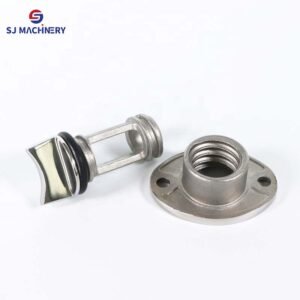
316 Нержавеющая сталь морская фурнитура лодка каяк палуба овальная сливная пробка
-
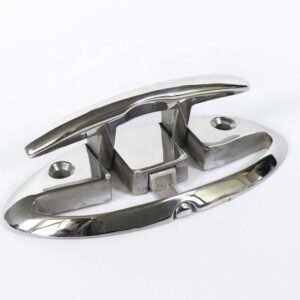
Складные причальные кнехты из нержавеющей стали AISI 316 для морских судов — выдвижные кнехты: оптовая продажа и производство по заказу (OEM)
-
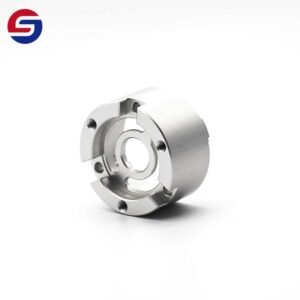
Металлический замок из полиамида, изготовленный на станке с ЧПУ, для автомобильной пружины
-
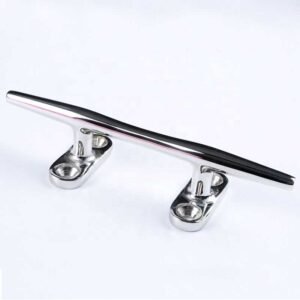
Индивидуально изготовленный причальный кнехт из нержавеющей стали 316 — высокопрочная морская фурнитура для лодок и яхт