В сфере производства литье металлических прототипов служит важнейшим связующим звеном между концепцией дизайна и серийным производством. Они позволяют инженерам и дизайнерам проверить форму, посадку и функциональность, выявить потенциальные недостатки и оптимизировать работу изделия, прежде чем вкладывать средства в дорогостоящую производственную оснастку. Среди различных методов создания металлических прототипов литье выделяется своей универсальностью, экономичностью и способностью воспроизводить сложные геометрические формы, которые зачастую сложно достичь с помощью механической обработки или 3D-печати. В этой статье представлен полный обзор процесса литья металлических прототипов, включая его основные принципы, ключевые этапы, распространенные типы, преимущества, проблемы и реальное применение.
1. Что такое литье металлических прототипов?
Литье металлических прототипов - это технология производства, которая заключается в заливке расплавленного металла в сборную форму (часто временную или недорогую) для создания прототипа детали с требуемой формой и свойствами. В отличие от массового производства, где используются прочные многоразовые формы (например, стальные штампы для литья под давлением), при литье прототипов приоритет отдается скорости, гибкости и низким первоначальным затратам, при этом используются формы, которые обычно одноразовые или предназначены для мелкосерийного производства (1-100 единиц). Целью является создание функционального или близкого к функциональному металлического прототипа, который точно отражает дизайн конечного продукта, позволяя проводить испытания и итерации без затрат времени и средств на постоянную оснастку.
Этот процесс подходит для широкого спектра металлов, включая алюминий, сталь, железо, медь, цинк и их сплавы, что позволяет использовать его в различных отраслях промышленности, от автомобильной и аэрокосмической до медицинского оборудования и бытовой электроники.
2. Основные принципы литья металлических прототипов
Фундаментальный принцип литья металлических прототипов основан на способности расплавленного металла поступать в полость формы, принимать ее форму и застывать в жесткую деталь по мере остывания. Ключевые принципы, регулирующие этот процесс, включают:
- - Текучесть расплавленного металла: Расплавленный металл должен обладать достаточной текучестью, чтобы заполнить всю полость формы, включая сложные детали (например, тонкие стенки, небольшие отверстия, сложные контуры). На текучесть влияет состав металла, температура плавления, а также добавление сплавов или флюсов.
- - Поведение при затвердевании: При охлаждении расплавленного металла происходит фазовый переход из жидкого состояния в твердое. Равномерное затвердевание имеет решающее значение для предотвращения таких дефектов, как усадка, пористость или трещины. Материал пресс-формы и ее конструкция (например, вентиляционные отверстия, литники) играют ключевую роль в регулировании скорости охлаждения.
- - Снятие формы: Форма должна быть спроектирована таким образом, чтобы ее можно было легко извлечь из застывшего прототипа, не повредив его поверхность или геометрию. Для этого часто используются разделители формы (например, воск, масло или керамические покрытия) или формы с углами осадки (коническими поверхностями).
- - Точность размеров: Полость формы должна быть точно сформирована в соответствии с проектными характеристиками прототипа. Хотя литье прототипов не может достичь такого же уровня точности, как прецизионная обработка, Но этого достаточно для большинства целей тестирования и проверки.
3. Основные этапы процесса литья металлических прототипов
Процесс литья металлических прототипов обычно следует стандартной последовательности шагов, которая может быть скорректирована в зависимости от типа формы, материала металла и требований к прототипу. Ниже приводится подробное описание основных этапов:
3.1 Разработка и подготовка прототипа модели
Первый шаг - создание 3D-проекта прототипа с помощью программ автоматизированного проектирования (CAD) (например, SolidWorks, AutoCAD или Fusion 360). Этот проект должен включать все важные характеристики конечного продукта, такие как размеры, допуски и отделка поверхности. После завершения проектирования в САПР создается физическая модель прототипа (так называемый “шаблон”). Шаблон используется для формирования полости пресс-формы и обычно изготавливается из недорогих, простых в обработке материалов, таких как дерево, пластик (например, ABS, PLA), пенопласт или воск - в зависимости от типа пресс-формы.
Для сложных геометрических форм часто используется 3D-печать (например, FDM, SLA или SLS) для быстрого и точного создания детали, что исключает необходимость ручной обработки. Шаблон также может включать дополнительные элементы, такие как литниковые системы (каналы для подачи расплавленного металла в полость) и стояки (резервуары для компенсации усадки во время затвердевания).
3.2 Изготовление пресс-форм
Пресс-форма является наиболее важным компонентом процесс литья, Так как она определяет форму и качество поверхности прототипа. Для литья металлических прототипов наиболее распространены временные формы, которые предназначены для однократного или ограниченного использования с целью сокращения затрат и времени изготовления. Основные методы изготовления форм включают:
- – Литье в песок Формы: Наиболее распространенный метод литья прототипов - литье в песок, при котором для формирования формы используется кварцевый песок, смешанный со связующим веществом (например, глиной, смолой). Деталь вдавливается в песок, чтобы создать полость, и форма разделяется на две половины (конусную и вытяжную) для легкого извлечения детали. Песчаные формы экономичны, универсальны и подходят для больших или сложных прототипов.
- – Инвестиционное литье Формы: Этот метод также известен как литье с потерей воска: восковой шаблон покрывается керамической суспензией, образуя твердую, термостойкую форму. Затем воск расплавляется и выливается (теряется), в результате чего остается полая керамическая полость. Литье по выплавляемым моделям позволяет получать прототипы с высоким качеством поверхности и сложными деталями, что делает его идеальным для изготовления небольших сложных деталей (например, аэрокосмических компонентов, медицинских приборов).
- - Формы для отливки из гипса: Гипсовые формы изготавливаются путем смешивания парижского гипса с водой для получения суспензии, которая заливается вокруг детали. Гипсовые формы обеспечивают большую точность размеров, чем песчаные, и подходят для цветных металлов (например, алюминия, меди) с низкой температурой плавления.
3.3 Плавление и заливка металла
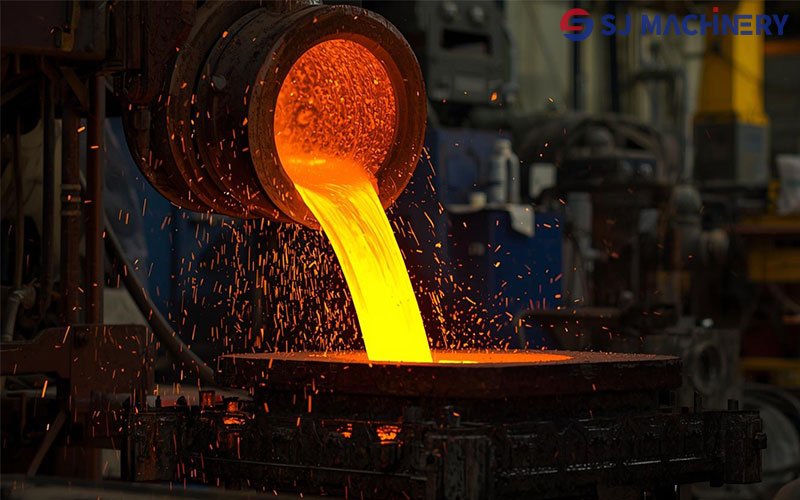
После подготовки формы выбранный металл или сплав расплавляется в печи (например, электродуговой, газовой или индукционной) при температуре выше точки плавления. Температура плавления зависит от металла: например, алюминий плавится при температуре около 660°C (1220°F), а сталь - при температуре 1450-1500°C (2642-2732°F).
Перед заливкой расплавленный металл часто обрабатывают для удаления примесей (например, шлака, газа) с помощью флюсов или дегазирующих агентов, которые улучшают качество прототипа и уменьшают количество дефектов. Затем расплавленный металл аккуратно заливается в литниковую систему пресс-формы, которая направляет металл в полость. Скорость и температура заливки тщательно контролируются, чтобы обеспечить полное заполнение полости без турбулентности, которая может вызвать пористость или дефекты поверхности.
3.4 Затвердевание и охлаждение
После заливки расплавленный металл в полости формы начинает остывать и затвердевать. Скорость охлаждения регулируется материалом формы (например, песок остывает медленнее, чем металл) и добавлением охлаждающих агентов (при необходимости). Медленное охлаждение помогает уменьшить внутренние напряжения и дефекты, а более быстрое охлаждение может использоваться для некоторых сплавов для достижения определенных механических свойств.
Стояки (если они используются) обеспечивают непрерывную подачу расплавленного металла в полость по мере усадки металла во время застывания, предотвращая появление усадочных отверстий или трещин. Форму оставляют остывать до полного затвердевания прототипа - это может занять от нескольких минут до нескольких часов, в зависимости от размера прототипа и тепловых свойств металла.
3.5 Удаление и отделка пресс-формы
После того как прототип полностью затвердел, форму разламывают (для временных форм, таких как песчаные или гипсовые) или открывают (для многоразовых форм, хотя они менее распространены в прототипировании), чтобы удалить отливку. Этот этап называется “вытряхиванием” для песчаного литья, когда песчаную форму вибрируют, чтобы отделить ее от прототипа.
После извлечения прототип подвергается финишной обработке для удаления излишков материала, таких как литники, стояки или флэш (расплавленный металл, просачивающийся между половинками формы). Финишная обработка может включать шлифование, обработку напильником, пескоструйную обработку, полировку или механическую обработку для достижения желаемой чистоты поверхности и точности размеров. Для функциональных прототипов могут применяться дополнительные виды обработки (например, термообработка, нанесение покрытий или гальванизация) для улучшения механических свойств или коррозионной стойкости.
4. Распространенные типы литья металлических прототипов
Как уже говорилось ранее, выбор метода литья зависит от размера, сложности, материала и требований к производительности прототипа. К наиболее распространенным видам литья металлических прототипов относятся:
4.1 Литье в песок (прототип)
Литье в песчаные формы - самый популярный метод отливки прототипов благодаря низкой стоимости, быстрому выполнению заказа и универсальности. Он подходит для изготовления крупных прототипов (размером до нескольких метров) и широкого спектра металлов, включая черные (сталь, чугун) и цветные (алюминий, цинк) сплавы. Прототипы, изготовленные методом литья в песчаные формы, имеют шероховатую поверхность (Ra 12,5-25 мкм) и умеренную точность размеров (±0,5-1,0 мм), что достаточно для проверки формы и посадки.
4.2 Литье по выплавляемым моделям (литье по выплавляемым моделям)
Литье по выплавляемым моделям используется для изготовления прототипов, требующих высокого качества поверхности (Ra 1,6-6,3 мкм) и сложной детализации (например, тонкие стенки, небольшие отверстия, сложные контуры). Он идеально подходит для малых и средних прототипов (размером до 50 см), изготовленных из высокотемпературных сплавов (например, нержавеющей стали, титана) или цветных металлов. Процесс литья по выплавляемым моделям исключает необходимость использования вытяжных углов, что позволяет создавать более сложные геометрические формы, чем при литье в песчаные формы.
4.3 Гипсовая отливка
Гипсовое литье - это недорогая альтернатива литье по выплавляемым моделям из цветных металлов прототипов (например, алюминия, меди, латуни). Гипсовые формы обеспечивают более высокую точность размеров (±0,1-0,3 мм) и качество поверхности (Ra 6,3-12,5 мкм), чем песчаные формы, но не подходят для черных металлов (из-за низкой термостойкости гипса). Этот метод часто используется для изготовления прототипов с тонкими стенками или детализированными элементами.
4.4 Литье под давлением (прототип)
В то время как литье под давлением обычно используется для массового производства, литье прототипов использует недорогие временные штампы (например, алюминиевые или эпоксидные) для изготовления небольших партий прототипов. Оно подходит для цветных металлов с высокой текучестью (например, цинка, алюминия, магния) и позволяет получать прототипы с высокой точностью размеров (±0,05-0,2 мм) и гладкой поверхностью (Ra 3,2-6,3 мкм). Литье под давлением прототипов идеально подходит для деталей, которые в конечном итоге будут массово производиться методом литья под давлением, поскольку оно в точности повторяет конечный производственный процесс.
5. Преимущества литья металлических прототипов
Литье металлических прототипов обладает рядом ключевых преимуществ по сравнению с другими методами создания прототипов (например, механической обработкой, 3D-печатью), что делает его предпочтительным выбором для многих приложений:
- - Универсальность: Можно изготавливать прототипы любого размера, формы и сложности - от простых кронштейнов до сложных аэрокосмических компонентов. Совместимость с большинством металлов и сплавов.
- - Экономическая эффективность: Временные формы (например, песок, гипс) имеют низкие первоначальные затраты по сравнению с постоянной оснасткой (например, стальными штампами для массового производства). Идеально подходит для создания небольших партий прототипов (1-100 штук).
- - Скорость: изготовление пресс-формы и литье могут быть завершены быстро (от нескольких дней до нескольких недель), в зависимости от метода и размера прототипа. Это быстрее, чем создание постоянной оснастки для массового производства.
- - Функциональные прототипы: Изготовление прототипов с механическими свойствами, аналогичными конечной производственной детали, что позволяет проводить точные испытания на прочность, долговечность и производительность.
- - Гибкость конструкции: Легко изменять шаблон или форму для итераций дизайна, что очень важно для выявления и устранения недостатков на ранних этапах разработки.
6. Проблемы литья металлических прототипов
Несмотря на свои преимущества, литье металлических прототипов также сталкивается с рядом проблем, которые необходимо решить для обеспечения высокого качества прототипов:
- - Точность размеров: Литье прототипов (особенно литье в песок) не может обеспечить такой же уровень точности, как точная механическая обработка или 3D-печать. Усадка во время затвердевания может вызвать незначительные отклонения размеров.
- - Отделка поверхности: Большинство методов литья опытных образцов (например, литье в песок) дают грубую поверхность, которая требует дополнительной обработки (например, шлифовки, полировки) для соответствия требованиям к конечному продукту.
- - Риск дефектов: К распространенным дефектам относятся пористость (воздушные пузырьки), усадочные отверстия, трещины и вспышки. Эти дефекты можно свести к минимуму, оптимизировав конструкцию формы, параметры заливки и обработку металла.
- - Ограничения по материалу: Некоторые методы литья (например, гипсовое литье) не подходят для черных металлов или высокотемпературных сплавов. Выбор металла может быть ограничен жаропрочностью формы.
7. Области применения литья металлических прототипов
Литье металлических прототипов широко используется в различных отраслях промышленности, где функциональные и недорогие прототипы имеют решающее значение для разработки продукции. Основные области применения включают:
7.1 Автомобильная промышленность
Прототипирование компонентов двигателя (например, головок цилиндров, поршней), деталей трансмиссии, элементов шасси и кузовных панелей. Литые прототипы позволяют проверить прочность, долговечность и пригодность в реальных условиях.
7.2 Аэрокосмическая промышленность
Производство опытных образцов деталей самолетов (например, лопаток турбин, деталей шасси, кронштейнов конструкций) с использованием высокотемпературных сплавов. Литье по выплавляемым моделям особенно популярно в этой отрасли благодаря своей способности производить сложные высокоточные детали.
7.3 Промышленность медицинского оборудования
Прототипирование хирургических инструментов, имплантируемых устройств (например, заменителей тазобедренного сустава) и компонентов медицинского оборудования. Литье по выплавляемым моделям используется для изготовления небольших сложных деталей с высокой биосовместимостью (например, из нержавеющей стали, титана).
7.4 Потребительская электроника
Прототипирование металлических корпусов, радиаторов и внутренних компонентов для смартфонов, ноутбуков и других электронных устройств. Прототипы для литья под давлением часто используются для деталей, которые будут производиться серийно с помощью литья под давлением.
7.5 Промышленное оборудование
Прототипирование шестеренок, подшипников, клапанов и других механических компонентов. Литье в песчаные формы используется для крупных, тяжелых прототипов, а литье по выплавляемым моделям - для прецизионных деталей.
8. Заключение
Литье металлических прототипов - важный производственный процесс, позволяющий эффективно разрабатывать и проверять металлические изделия. Используя временные формы и гибкие методы производства, он обеспечивает экономически эффективный и быстрый способ создания функциональных прототипов со сложной геометрией. Хотя при этом возникают проблемы с точностью размеров и чистотой поверхности, их можно решить с помощью тщательного проектирования форм, оптимизации процесса и финишной обработки.
По мере развития производственных технологий литье металлических прототипов становится все более востребованным в таких отраслях, как автомобилестроение, аэрокосмическая промышленность и производство медицинского оборудования. Интеграция с 3D-печатью для создания шаблонов, улучшенные материалы для форм и передовые системы управления процессом еще больше расширяют возможности этого процесса, делая его незаменимым инструментом для разработки продукции в современном производстве.