1. Введение в сердечники
В процесс литья в песчаные формы, Стержни - это самостоятельный формообразующий компонент на основе песка, используемый в основном для формирования специальных полостей, отверстий или сложных структур внутри отливок. Он используется в сочетании с внешней песчаной формой (литейной формой) для формирования полной полости отливки, обеспечивая, чтобы жидкий металл мог сформировать внутреннюю форму, отвечающую проектным требованиям после затвердевания. Стержень является одной из основных технологий для решения проблем формообразования отливок сложной структуры.
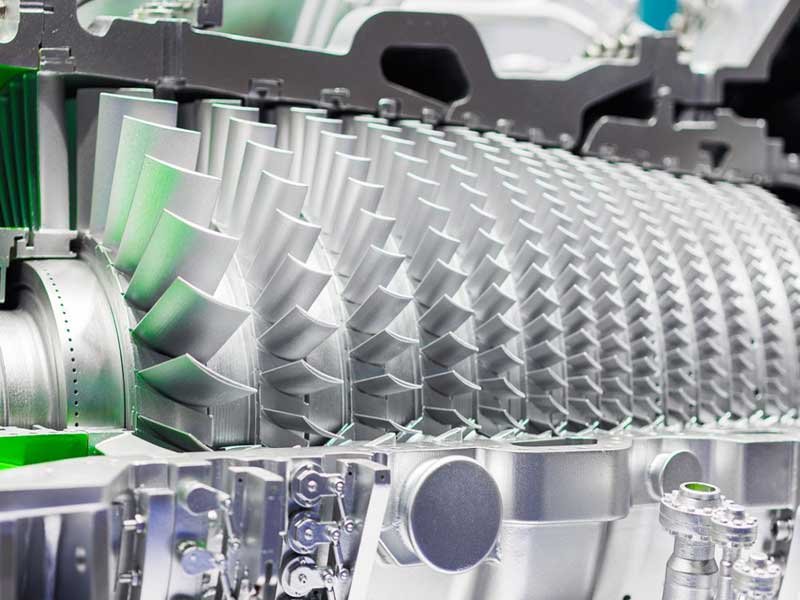
Основная функция стержня - формирование внутренней полости отливки. С его помощью можно изготавливать трубы, различные отверстия (например, водяные и масляные каналы цилиндров двигателя), глухие отверстия и другие структуры, которые не могут быть непосредственно сформированы с помощью внешних пресс-форм. В то же время он может создавать сложные геометрические формы и осуществлять формирование точных внутренних структур, таких как каналы шатунов картера и каналы охлаждения лопаток турбины. Кроме того, стержень может уменьшить разницу в толщине стенок отливок, избежать дефектов горячих точек, вызванных неравномерной толщиной стенок, а также направить направление потока расплавленного металла, оптимизировать эффект заполнения и улучшить качество отливки.
2. Типовые требования к производительности ядер
- Высокая прочность: Он должен выдерживать воздействие расплавленного металла (например, сила удара при заливке чугуна может достигать 0,3 МПа), чтобы не расколоться в процессе заливки.
- Хорошая воздухопроницаемость: Он должен быть способен беспрепятственно отводить газ в условиях высокой температуры, а индекс воздухопроницаемости должен составлять ≥100 см³/(см²-мин).
- Легкая разрушаемость: После заливки он должен быть способен разрушаться под действием вибрации или химического воздействия для облегчения последующих операций по очистке песка, а остаточная прочность должна составлять < 0,5 МПа.
- Высокая точность: Допуск размеров основных деталей должен контролироваться в пределах класса CT8 (±0,25 мм).
3. Процесс изготовления стержней
(1) Технология формования
- Метод стрельбы по керну: Смешанный песок с высокой скоростью подается в керноприемник через керноприемную машину, и после затвердевания керн распаковывается. Этот метод отличается высокой производительностью, до 120 форм в час, и подходит для массового производства стандартизированных стержней.
- Метод 3D-печати: Клеевая струйная технология используется для прямой печати сложных стержней с точностью формирования до ±0,3 мм. Не требуется коробка для сердечника, что подходит для быстрого изготовления небольших партий и сложных структурных сердечников.
- Метод холодного бокса: Триэтиламин используется в качестве катализатора, чтобы заставить смолу пройти реакцию затвердевания при комнатной температуре. После формовки шероховатость поверхности Ra сердечника составляет ≤12,5 мкм, что обеспечивает высокую эффективность и точность.
(2) Процесс после лечения
- Сушка: Смоляной песчаный сердечник необходимо запекать при температуре 200 - 250℃ в течение 2 - 4 часов, чтобы удалить влагу внутри сердечника и повысить прочность и стабильность сердечника.
- Покрытие: Поверхность сердечника покрывается цирконовым порошком, толщина покрытия контролируется на уровне 0,2 - 0,5 мм, что позволяет значительно повысить устойчивость сердечника к высоким температурам и предотвратить дефекты налипания песка при заливке.

4. Сырье и методы производства стержней
Сырье для сердечника обычно такое же, как и песок со смолой, используемый в процесс литья. В процессе производства песок со смолой засыпается в стержневую коробку, соответствующую внутренней форме отливки. В зависимости от технических возможностей и состояния оборудования производственного предприятия, песок может быть сформирован в стержневом ящике путем уплотнения, нагрева или выдувания песка. Затем сердечник извлекается из ящика и после последующей обработки может быть помещен в форму для использования.
Существует два основных метода производства сердечников: метод горячего ящика и метод холодного ящика:
- Метод горячего ящика: Катализатор добавляется в смоляной песок, и катализатор активируется при нагревании стержневого ящика, чтобы способствовать затвердеванию и формированию смоляного песка.
- Метод холодного бокса: Используется катализатор, который можно активировать без нагрева. Когда смола и песок смешиваются, катализатор автоматически выполняет свою роль, заставляя песчаное ядро затвердевать и формироваться при комнатной температуре.
5. Способы крепления стержней
Во время процесса заливки, когда расплавленный металл впрыскивается в форму, он ударяется о сердечник и наплывает на него, что приводит к легкому смещению или всплытию сердечника. Поэтому необходимо принять разумный метод фиксации:
- Метод крепления сердечника: Посадочное место для сердечника изготавливается из того же металла, что и форма, которое точно фиксирует сердечник в заданном положении в форме до завершения заливки расплавленного металла и его охлаждения. После охлаждения посадочное место сердечника в контакте с расплавленным металлом становится частью отливки. После того как отливка сформирована, сердечник разрушается и извлекается с помощью вибрации.
- Метод фиксации удлиненного стержня: Когда у отливки есть пространство за внешней стенкой формы, которое не может быть заполнено металлом, сердечник может быть сделан длиннее формы, и сердечник может быть зафиксирован пазом, оставленным на песчаной форме, чтобы предотвратить его перемещение во время процесса заливки.
Технология изготовления стержней является основным средством для литья в песчаные формы, позволяющим получать отливки со сложной структурой внутренней полости. Процесс ее развития постоянно способствует прогрессу литейной промышленности, начиная с традиционного ручного изготовления стержней и заканчивая интеллектуальным изготовлением стержней с помощью 3D-печати. В будущем, с углубленным применением бионического дизайна структуры (например, оптимизированных по топологии сотовых сердечников) и технологии цифрового двойника, сердечники будут играть более важную роль в реализации легкой и функциональной интеграции отливок, обеспечивая сильную поддержку высококачественному развитию литейной промышленности.
Если вы хотите узнать больше о стержнях для литья в песчаные формы, пожалуйста, свяжитесь с нами.