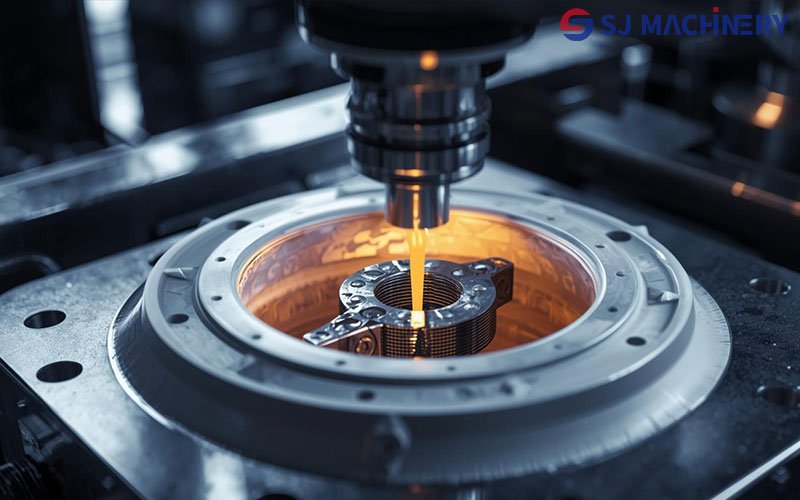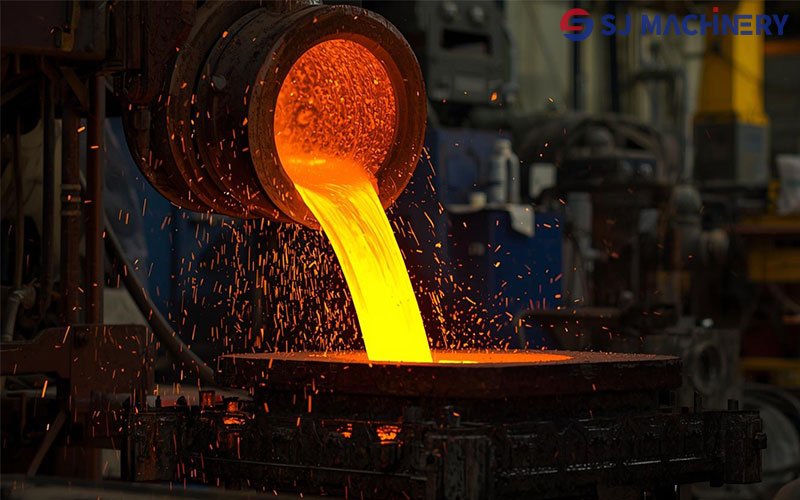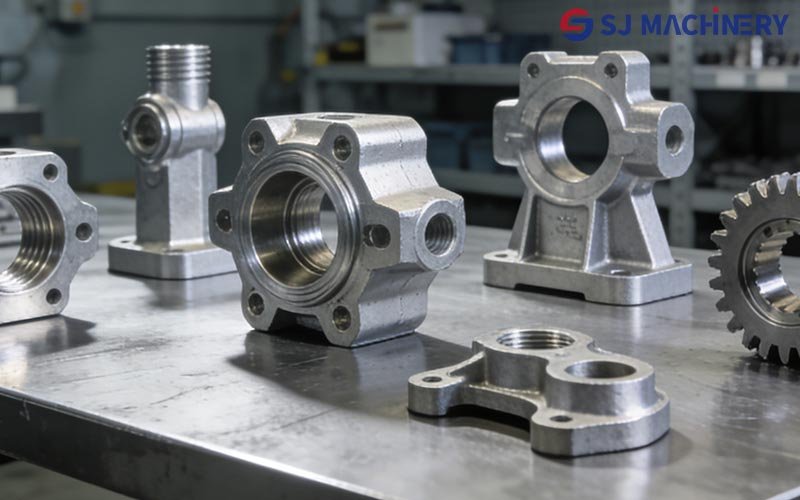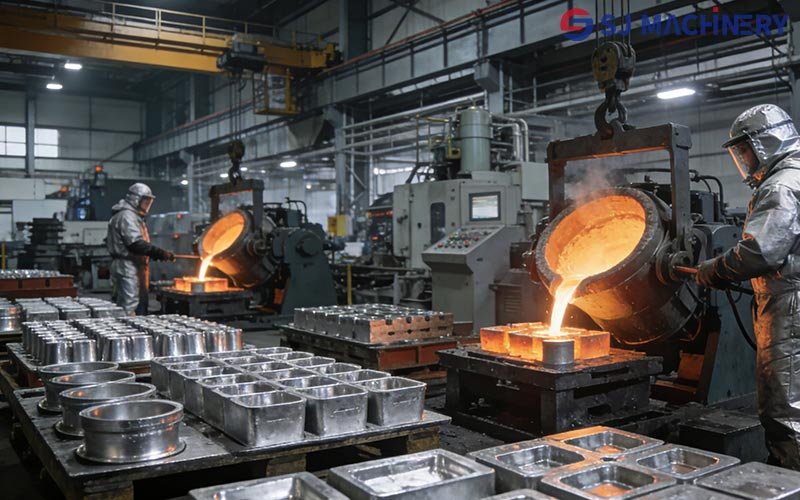
Precision casting is a delicate and complex process. First, a wax model that perfectly matches the shape of the casting is meticulously crafted. This wax model is typically made of low-melting-point wax and formed using advanced technologies such as precision molding or 3D printing. The wax model is not only dimensionally accurate but also has extremely low surface roughness, perfectly capturing the intricate details required for the casting. Next, multiple layers of refractory material are carefully coated onto the wax model surface to form a robust shell. Each layer needs to be dried and hardened after coating to ensure sufficient strength and stability of the shell. After the shell is formed, it is heated above the melting point of the wax model, causing it to melt and flow out, leaving a cavity within the shell that matches the shape of the wax model. Finally, high-temperature molten metal is poured into the shell cavity at precise temperature and speed. After the liquid metal cools and solidifies, the shell is removed to obtain a high-precision investment casting. The entire process requires extremely strict control over factors such as temperature, time, and materials. Each step requires highly skilled professionals and extensive experience to ensure the final casting achieves excellent quality.
1. Specific Applications of Investment Casting in General Machinery
Pump Components
In pump products, the impeller is the core component, and its performance directly determines the pump’s efficiency and conveying capacity. Investment casting can produce impellers with extremely complex shapes to meet the stringent requirements of fluid dynamics under different operating conditions. For example, pumps in the chemical industry that convey corrosive media often require impellers with special shapes and structures to improve corrosion resistance and conveying efficiency. Investment casting can precisely control the impeller’s blade shape, thickness, and flow channel dimensions, ensuring efficient and stable operation of the impeller at high speeds. Furthermore, as a key component for containing and guiding fluids, the smoothness and dimensional accuracy of the internal flow channels of the pump body have a significant impact on pump performance. Precision casting enables high-precision forming of the internal flow channels of the pump body, reducing fluid resistance within the flow channels, thereby improving the overall efficiency of the pump.
Valve Components
Valve components play a crucial role in controlling the flow rate, pressure, and direction of fluids in general mechanical systems. Valve components produced using precision casting processes, such as valve bodies and valve cores, have high-precision dimensions and smooth surfaces. The complex shape of the internal flow channels in a valve body demands extremely high dimensional accuracy and surface quality. Precision casting can precisely replicate the flow channel shape in the design drawings, ensuring smooth fluid flow during valve opening and closing, thereby reducing pressure loss. As a key moving component of the valve, the matching accuracy between the valve core and seat directly affects the valve’s sealing performance. Valve cores manufactured using precision casting technology are characterized by high dimensional accuracy and low surface roughness, enabling a tight fit with the valve seat, effectively preventing fluid leakage and ensuring reliable valve operation.
Compressor Components
Core components of a compressor, such as the crankshaft, connecting rod, and piston, have extremely high requirements for strength, precision, and wear resistance. Precision casting technology has significant advantages in manufacturing these components. Taking the crankshaft as an example, its complex shape and the immense alternating loads it bears are crucial. Precision casting can precisely control the dimensions of each crankshaft component, ensuring its dynamic balance under high-speed rotation and reducing vibration and noise. Furthermore, by appropriately selecting casting materials and processes, the crankshaft’s strength and wear resistance can be improved, extending its service life. Connecting rods and pistons also require high-precision dimensions and excellent overall performance. Precision casting processes can produce connecting rods and pistons that meet these requirements, ensuring that the compressor operates efficiently while maintaining stable and reliable performance.
Gear Reducer Components
Gears, housings, and other parts in a gear reducer are crucial for power transmission and speed conversion. Gears manufactured using investment casting are characterized by high tooth profile precision and good surface quality. Precise tooth profiles ensure stability and transmission efficiency during gear meshing, while reducing noise and wear. Simultaneously, by controlling the cooling rate and microstructure during the casting process, the strength and toughness of the gears can be improved to meet the requirements of different operating conditions. As a component supporting and protecting the internal gear transmission mechanism, the reducer housing needs sufficient strength and good dimensional accuracy. Investment casting can manufacture housings with complex structures and precise dimensions, thereby ensuring the installation accuracy and operational stability of the internal gears.
Other General Mechanical Components
Besides the typical components mentioned above, investment casting is also widely used in other general mechanical fields. For example, in fan manufacturing, parts such as impellers and housings are typically manufactured using investment casting. The shape and size of the fan impeller have a significant impact on its ventilation performance. Investment casting can produce high-precision impellers that meet design requirements, thereby improving the working efficiency of the fan. In agricultural machinery, some key components, such as the metering devices in seeders and the cutting components in harvesters, are also made using investment casting. These components require excellent wear resistance and precision to ensure the normal operation and quality of the agricultural machinery. Investment casting can meet the material performance and dimensional accuracy requirements of these components, thereby improving the reliability and service life of the agricultural machinery.

2. Advantages of Investment Casting in General Machinery Applications
High Precision and High-Complexity Shape Forming Capability
Many parts in general machinery have complex shapes and extremely high dimensional accuracy requirements. The investment casting process can accurately replicate the mold shape, producing castings with complex internal structures and fine external features. For example, when manufacturing impellers for pump components, the blade twist angle, thickness variation, and flow channel shape and size can be precisely controlled, thereby ensuring the impeller’s hydrodynamic performance at high speeds. Compared with other casting processes, investment casting has significant advantages in achieving complex shapes and high precision, reducing subsequent machining workload, lowering production costs, and improving the quality and performance of parts.
Excellent Material Adaptability
Investment casting can utilize a wide variety of metallic materials, including various alloy steels, carbon steels, stainless steels, aluminum alloys, and copper alloys. Different general-purpose mechanical parts require different materials depending on their operating environment and performance requirements. For example, in the chemical industry, due to the corrosive nature of the media, stainless steel or corrosion-resistant alloys are typically used to manufacture pump bodies and valve components; in general-purpose machinery in the aerospace field, lightweight, high-strength materials such as aluminum alloys and titanium alloys are widely used to reduce weight and improve performance. The investment casting process can adapt to the casting requirements of different materials, and by rationally adjusting process parameters, it ensures that the quality and performance of the castings meet design requirements.
Enhancing Overall Part Performance
By optimizing process parameters in investment casting, such as pouring temperature and cooling rate, the internal structure and properties of castings can be controlled. During casting, a suitable cooling rate can result in a fine and uniform grain structure, thereby improving the strength, toughness, and wear resistance of the parts. For example, in manufacturing high-load parts such as crankshafts and compressor connecting rods, precise control of the casting process can result in a dense internal structure and refined grains, improving fatigue strength and impact strength, and extending the service life of the parts.
Reducing Production Costs
Although the initial mold manufacturing cost of investment casting is relatively high, for mass-produced parts, the high precision and near-zero need for subsequent machining significantly reduce overall production costs. High-precision castings reduce the number of subsequent machining steps and time, thus lowering machining costs. Simultaneously, reduced machining allowances increase material utilization, further reducing material costs. Furthermore, the high stability, high reliability, and relatively low scrap rate of the investment casting process also contribute to lower production costs.
Shortening Production Cycles
Compared to some traditional machining methods, investment casting can directly produce parts close to their final shape, reducing machining steps and time, thus shortening the production cycle. For some complex-shaped and difficult-to-machine parts, traditional machining methods may require multiple clamping and processing steps to complete, while investment casting can form the part in one step, greatly improving production efficiency. In today’s increasingly competitive market, shortening the production cycle is of great significance for enterprises to quickly respond to market demands and enhance market competitiveness.
Precision Casting Summary
Investment precision casting has a wide range of applications and occupies an important position in the field of general machinery. Its advantages, such as high precision, high-complexity shape forming capability, good material adaptability, and improved overall performance of parts, provide strong support for the development of general machinery. With the continuous development of process innovation, digital technology integration, the expansion of high-performance material applications, and green and environmentally friendly casting technologies, precision casting will usher in a broader development prospect in the field of general machinery. Ningbo Suijin Machinery Technology Co., Ltd. specializes in the production of various precision castings and machined parts, including carbon steel, alloy steel, and stainless steel, and can also perform composite processing of composite materials according to drawings. The company plays an increasingly important role in promoting technological progress and industrial upgrading in the general machinery industry.