In the ever-evolving landscape of manufacturing, aluminum gravity casting remains a cornerstone technology—blending simplicity, reliability, and versatility to meet the demands of industries ranging from automotive to aerospace. As we step into 2026, this time-honored process is undergoing exciting innovations, driven by the push for lightweighting, sustainability, and smart manufacturing. In this blog, we’ll explore the latest trends shaping aluminum gravity casting, break down its key advantages and disadvantages, and highlight its most impactful applications across industries.
What is Aluminum Gravity Casting?
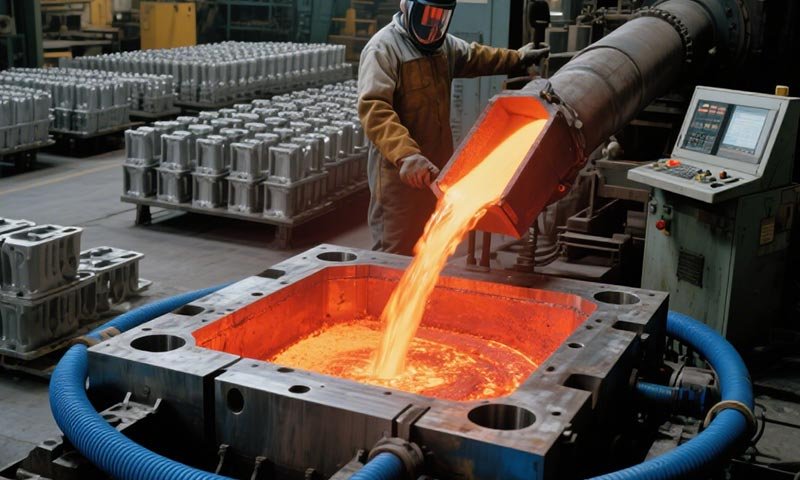
First, let’s clarify the basics: aluminum gravity casting is a permanent mold casting process where molten aluminum is poured into a mold cavity using only the force of gravity—no external pressure or vacuum is required. The mold, typically made of steel or cast iron, is reusable, making it ideal for medium to high-volume production. This process leverages the excellent fluidity of molten aluminum to create parts with consistent dimensions, smooth surfaces, and reliable mechanical properties. It can be enhanced with techniques like tilt-pour casting to optimize metal flow and reduce defects, or paired with 3D-printed sand cores to create complex internal geometries.
2026 Latest Trends in Aluminum Gravity Casting
The aluminum gravity casting industry is evolving rapidly, with 2026 bringing breakthroughs in technology, sustainability, and market expansion. Here are the key trends to watch:
1. AI & Digital Twin Integration
Smart manufacturing is transforming gravity casting, with AI and digital twin technologies leading the charge. Digital twins, which create virtual replicas of the entire casting process, allow manufacturers to test different alloy compositions, cooling strategies, and mold designs—shortening development cycles by 30% or more.
2. Automation & Integrated Production Units
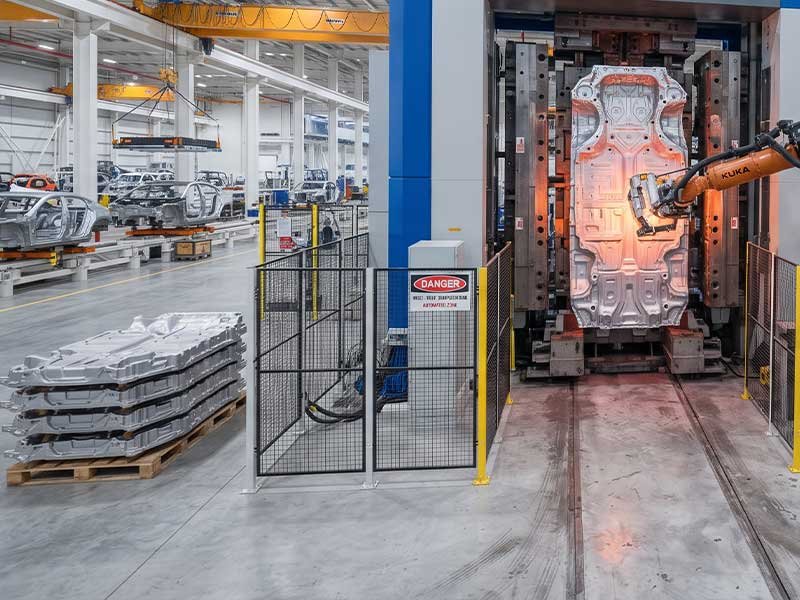
To address labor shortages and improve consistency, manufacturers are adopting fully automated gravity casting lines. Servo-driven tilt-pour units, robotic part retrieval, and automated mold spraying and ladling are becoming standard, enabling unmanned continuous production with an Overall Equipment Efficiency (OEE) of 85% or higher. Integrated smart casting cells—combining melting furnaces, casting machines, cooling systems, and quality inspection—are particularly popular for producing large, integrated aluminum components for electric vehicles (EVs), such as battery trays and subframes.
3. Material & Mold Innovations
Advanced aluminum alloys are expanding the capabilities of gravity casting. Rare earth-modified and nanoparticle-reinforced alloys (such as enhanced 7075 aluminum) offer higher strength and toughness, meeting the strict requirements of aerospace and EV structural parts. In late 2025, Jiuquan Iron and Steel Group successfully applied oil-gas lubrication casting technology to produce high-end aluminum ingots (6082, 6061, 6063 grades), eliminating surface segregation defects, reducing cold shuts by 80%, and increasing casting speed by 25%. Additionally, 3D-printed sand cores and metal cores are revolutionizing mold design, enabling complex internal flow channels and conformal cooling that improve part density and reduce mold lead times.
4. Green & Low-Carbon Manufacturing
Sustainability is a top priority in 2026, with the industry focusing on reducing carbon footprints. Recycled aluminum now accounts for over 60% of raw materials in gravity casting, cutting carbon emissions by 40% compared to using primary aluminum. Low-VOC mold coatings and water-based release agents are replacing harmful chemicals, aligning with EU BAT standards and China’s “dual carbon” goals. Additionally, waste heat recovery systems and energy-efficient melting furnaces are reducing energy consumption, while sand-free or low-sand casting processes minimize solid waste by 70–80%.
5. Market Growth & Regional Dynamics
The global aluminum gravity casting market is projected to reach $271.3 billion in 2026, with a CAGR of 3.79% through 2031. Asia-Pacific dominates the market (47.2%), led by China, while South America is the fastest-growing region (CAGR 4.98%). The automotive industry remains the largest end user, accounting for 63.1% of demand—driven by EV lightweighting, which has increased per-vehicle aluminum casting usage by 60%+ for components like motor housings and battery enclosures.

Pros & Cons of Aluminum Gravity Casting
Like any manufacturing process, aluminum gravity casting has distinct advantages and limitations. Understanding these helps manufacturers choose the right method for their needs:
Key Advantages
– Superior Part Quality: Gravity-driven metal flow reduces turbulence, minimizing defects like porosity, oxidation, and inclusions. This results in parts with excellent dimensional accuracy, smooth surface finishes, and uniform mechanical properties—often requiring minimal post-processing.
– Cost-Effective for Medium-to-High Volume: Reusable permanent molds lower per-unit costs for production runs of 1,000+ parts. Compared to sand casting, gravity casting reduces material waste and post-processing time, further cutting costs.
– Versatile Alloy Compatibility: Works seamlessly with a wide range of aluminum alloys, including A356, A380, 6061, and 6082. This flexibility allows manufacturers to tailor parts to specific strength, corrosion resistance, and heat resistance requirements.
– Complex Part Capability: With 3D-printed sand cores, gravity casting can produce parts with intricate internal geometries, undercuts, and thin walls—making it suitable for complex components like EV battery housings and aerospace structural parts.
– Environmental Friendliness: Lower energy consumption compared to high-pressure die casting, plus compatibility with recycled aluminum, makes it a more sustainable option for green manufacturing goals.
Key Disadvantages
– High Initial Tooling Costs: Permanent molds are expensive to design and manufacture, making gravity casting less cost-effective for small production runs (fewer than 1,000 parts) compared to sand casting.
– Limited Thin-Wall Capability: While it can produce thin-walled parts, gravity casting is less suitable for extremely thin sections (under 2mm) compared to high-pressure die casting, as metal flow may be insufficient to fill the mold cavity uniformly.
– Longer Cycle Times: Solidification times are longer than in high-pressure die casting, which can reduce production throughput for high-volume, fast-turnaround applications.
– Mold Maintenance Requirements: Reusable molds require regular maintenance (cleaning, coating, and repair) to prevent wear and ensure consistent part quality, adding to long-term operational costs.
Key Applications of Aluminum Gravity Casting
Aluminum gravity casting’s unique combination of quality, versatility, and cost-effectiveness makes it indispensable across multiple industries. Here are its most common and impactful applications in 2026:
1. Automotive Industry (Largest End User)
The automotive sector relies heavily on aluminum gravity casting for lightweight, high-strength components. Key applications include: EV battery housings, motor enclosures, electronic control units (ECUs), subframes, steering knuckles, brake calipers, and engine blocks/cylinder heads. European Tier 1 suppliers have deployed automated tilt-pour gravity casting lines to produce integrated aluminum rear subframes, achieving an 18% weight reduction and 25% cost savings. Brands like BYD, NIO, and Tesla are also investing in gravity casting专线 for EV components, as it delivers the high density and airtightness required for safety-critical parts.
2. Aerospace & Defense
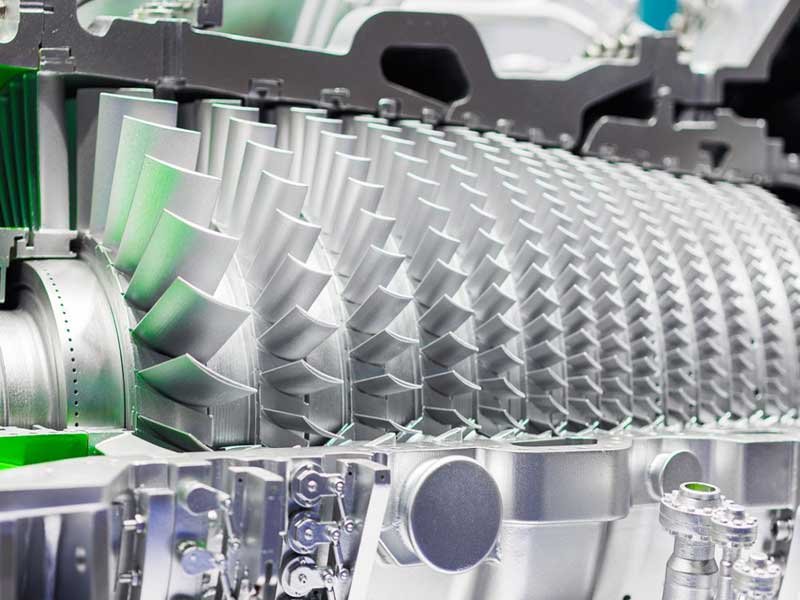
In aerospace, aluminum gravity casting is used to produce structural components that require high strength, precision, and reliability. Examples include turbine blade blanks (used by Safran for mid-temperature turbine sections), aircraft flap components, and large integrated aluminum structures for the COMAC C919 and next-generation launch vehicles—some weighing over 1.2 tons with a yield rate of 92%. The process is also used for defense applications like missile components and military vehicle parts.
3. Industrial Equipment & Machinery
Industrial machinery benefits from aluminum gravity casting’s durability and corrosion resistance. Common applications include pump housings, valve bodies, compressor components, and mechanical arm joints for robots. The process is also used for drone frames, which require a balance of lightweight design and high stiffness—achieved through gravity casting and T6 heat treatment.
4. Consumer & Commercial Products
Aluminum gravity casting is used to produce a range of consumer and commercial items, including: cookware (e.g., high-end aluminum pans), decorative hardware, heat sinks for electronics, and marine components (such as boat propellers and hull fittings). Its ability to create smooth, aesthetically pleasing surfaces makes it ideal for products where appearance matters, while its corrosion resistance ensures longevity in harsh environments.
5. Medical Equipment
In the medical industry, gravity casting is used to produce precision components for diagnostic equipment, surgical instruments, and medical devices. The process ensures consistent quality and biocompatibility, meeting the strict regulatory standards for medical applications.
Future Outlook: What’s Next for Aluminum Gravity Casting?
As we move beyond 2026, aluminum gravity casting will continue to evolve, with a focus on four key areas: large-scale integrated casting (for EVs and aerospace), AI-driven closed-loop process control, high-efficiency recycled aluminum utilization, and zero-waste manufacturing. China’s upcoming revisions to GB/T 26655 (Gravity Casting Machines) and JB/T 12835 (Aluminum Alloy Gravity Casting Process Specifications) will further standardize smart and green manufacturing practices, driving industry growth. Equipment manufacturers like LK Machinery, Yizumi, and Kurtz Ersa are already launching large servo tilt-pour machines to meet the demand for EV megacastings, ensuring the process remains relevant in the age of electrification and sustainability.
Suijin Machinery Summary
Aluminum gravity casting is far from a “traditional” process—it’s a dynamic, innovative technology that continues to adapt to the needs of modern manufacturing. Its unique blend of quality, versatility, and sustainability makes it a top choice for industries seeking lightweight, reliable components. Whether you’re producing EV parts, aerospace components, or consumer products, understanding its pros, cons, and latest trends is key to leveraging its full potential in 2026 and beyond.
Have questions about how aluminum gravity casting can benefit your project? Reach out to our team of experts for personalized guidance!