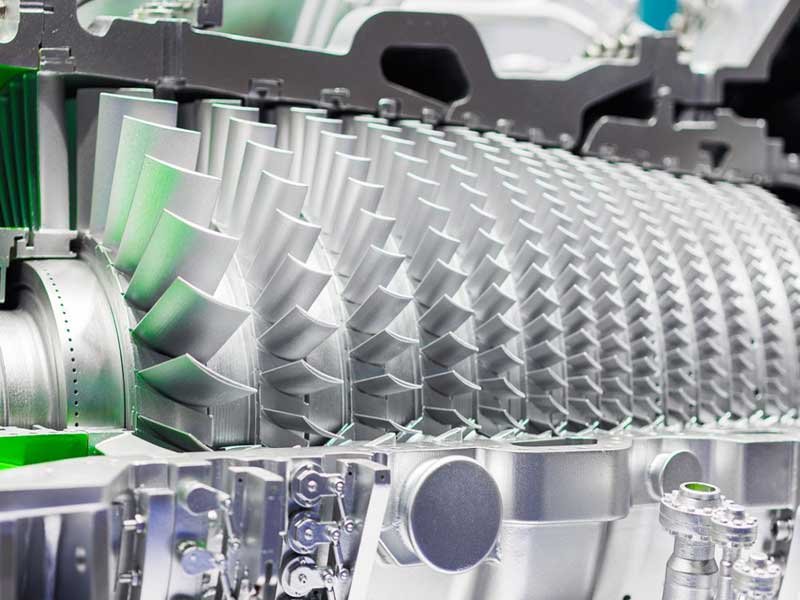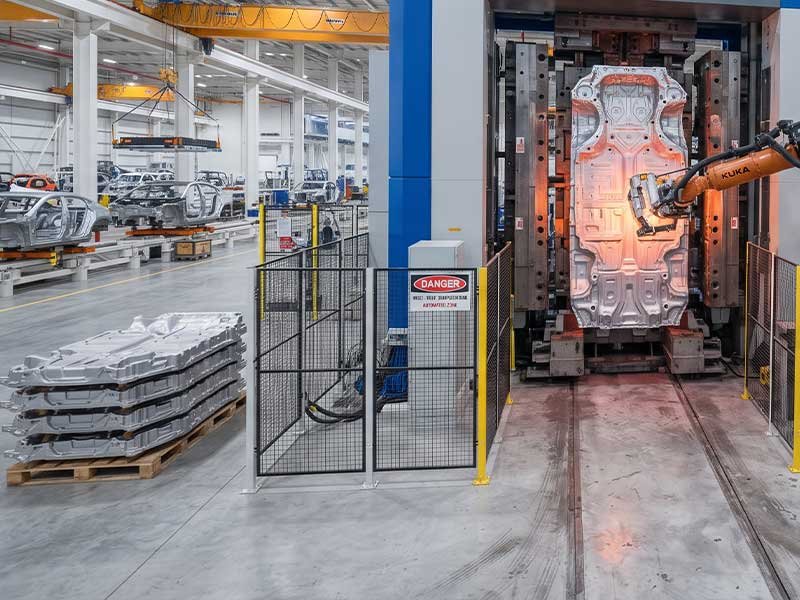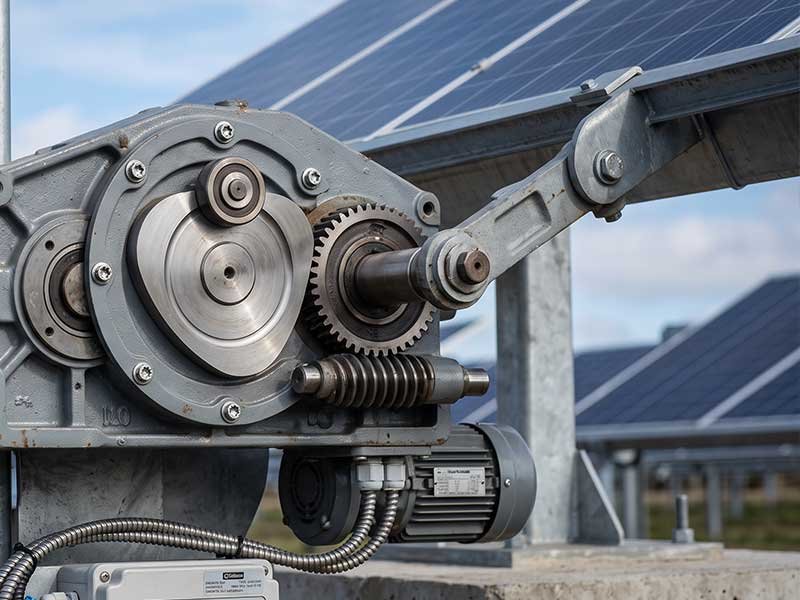
Thin-walled parts, thin-walled castings and related thin-walled part manufacturing processes have long been recognized as core technical bottlenecks in the precision manufacturing industry. Widely applied in lightweight new energy vehicle structural components, 316 stainless steel yacht hardware, high-precision hydraulic valve bodies and other industrial scenarios, thin-walled castings are prone to cold shut, hot crack, shrinkage porosity and permanent deformation throughout investment casting and subsequent CNC precision machining procedures.
This article analyzes the essential causes of casting deformation and machining deformation of thin-walled workpieces, summarizes targeted process optimization strategies, and provides systematic technical guidance for stable mass production of high-precision thin-walled components.
1. Essential Causes of Deformation of Thin-Walled Castings
The deformation failure of thin-walled castings originates from two fundamental physical characteristics: rapid heat dissipation of thin-wall structures and uneven internal stress distribution. Combined with investment casting characteristics and machining external force interference, deformation causes are divided into casting-stage inherent deformation and machining-stage secondary deformation.
1.1 Deformation Defects Formed in Investment Casting Stage
- – Mold filling failure and localized stress concentration: The specific contact area between molten alloy and ceramic shell is extremely large for thin-walled cavities. The sharp temperature drop reduces alloy fluidity rapidly, resulting in misrun and cold shut defects. Discontinuous metal fusion will generate asymmetric residual stress on casting surfaces.
- – Hot crack induced by solidification shrinkage resistance: Thin-wall sections solidify prior to thick-wall sections. The cured thin-walled matrix is pulled by unsolidified thick material and rigid ceramic shell. Once shrinkage stress exceeds the high-temperature strength of alloy materials, hot cracks appear and induce irregular structural distortion.
- – Unbalanced cooling residual stress: Uneven wall thickness leads to differentiated cooling rates. Thermal stress and structural stress accumulate inside castings. After shell removal, residual stress releases spontaneously in the form of warping, twisting and overall dimensional deformation.
- – Cutoff feeding channel: Advanced solidification of thin-wall areas cuts off riser feeding channels, namely cold riser effect. Internal shrinkage cavity and shrinkage porosity change local structural rigidity, causing long-term slow deformation of finished castings.
1.2 Secondary Deformation in Precision Machining Stage
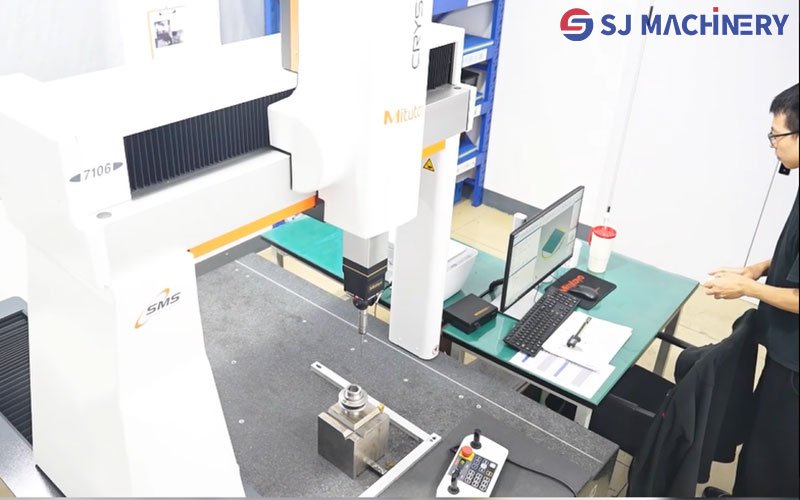
Qualified thin-walled casting blanks still suffer elastic tool deflection and permanent plastic deformation during CNC machining. Main inducements include unreleased casting residual stress, improper clamping force, uneven cutting thermal stress and asymmetric cutting load, which are the main reasons for dimensional out-of-tolerance of finished thin-walled parts.
2. Systematic Process Solutions for Thin-Walled Casting Deformation Control
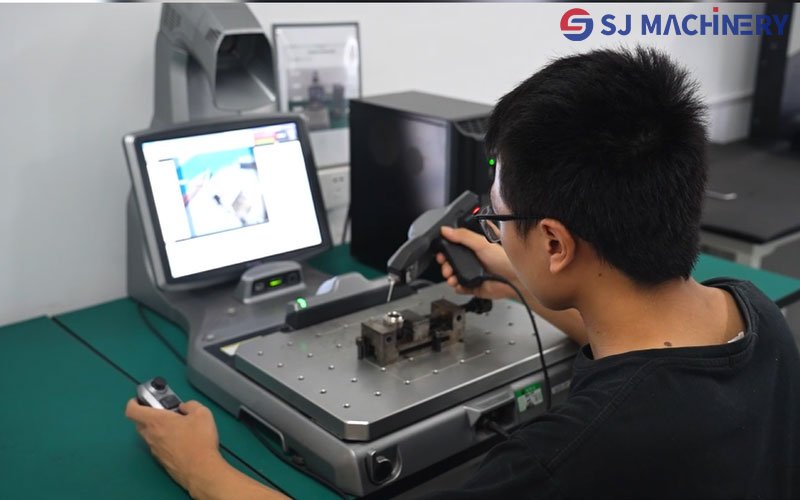
Deformation control of thin-walled parts needs full-process collaborative optimization covering investment casting formulation, heat treatment pretreatment, clamping scheme design, cutting parameter matching and machining path programming. The following tables classify defect characteristics and full-process optimization schemes for standardized process application.
Deformation Stage: Investment Casting Forming
Typical Deformation & Defect Types: Cold shut, misrun, hot crack, warping distortion, shrinkage porosity deformation
Core Formation Mechanism: Fast heat loss, uneven solidification, shrinkage tensile stress, blocked feeding channel
Casting-stage Preventive Measures:
1. Optimize gating system to realize sequential solidification;
2. Raise qualified pouring temperature properly to extend alloy fluidity;
3. Adjust ceramic shell thermal conductivity to balance cooling speed;
4. Optimize riser layout to avoid cold riser cutoff; 5. Control shell demoulding time to reduce constraint stress
|
Machining Influence Factor
|
Deformation Risk
|
Optimized Machining Technology for Thin-Walled Parts
|
|---|---|---|
|
Internal residual stress of blank
|
Spontaneous dimensional distortion after material removal
|
Mandatory stress-relief annealing before machining; natural aging or artificial stress relief after rough machining
|
|
Clamping loading mode
|
Elastic collapse, rebound deformation after clamping release
|
Surface force clamping instead of point-line force clamping; axial compression instead of radial compression; customized profile fixture, vacuum chuck and temporary filling support
|
|
Cutting heat and cutting force
|
Thermal expansion deformation, tool deflection, workpiece vibration
|
Adopt HSM high-speed low-feed cutting; use sharp high-rake coated tools; apply climb milling mode
|
|
Machining programming path
|
Unilateral force bending deformation
|
Separate roughing and finishing; adopt symmetrical alternating cutting path to offset asymmetric stress
|
3. Key Technical Details of Thin-Walled Part Manufacturing Processes
3.1 Stress Relief pretreatment for Casting Blanks
Stress-relief annealing is an indispensable procedure for all thin-walled castings before precision machining. This process eliminates coupling thermal stress and structural stress generated during investment casting cooling. Without pretreatment, stress rebalancing triggered by cutting allowance removal will cause irreversible deformation during on-machine processing, which cannot be corrected by later finishing.
3.2 Special Auxiliary Clamping Technology for Ultra-Thin Workpieces
For thin-walled tubular, annular and cavity parts with wall thickness less than 2mm, conventional three-jaw chucks and bench vices will produce extrusion indentation and plastic clamping deformation. Temporary filling media including low-melting alloy, paraffin wax and flexible resin can enhance integral structural rigidity.
After finishing machining, the filling material can be melted and cleaned without damaging casting surface quality, which is the most effective method to suppress chatter and elastic deflection of ultra-thin thin-walled parts.
3.3 Optimized Cutting Strategy for Deformation Suppression
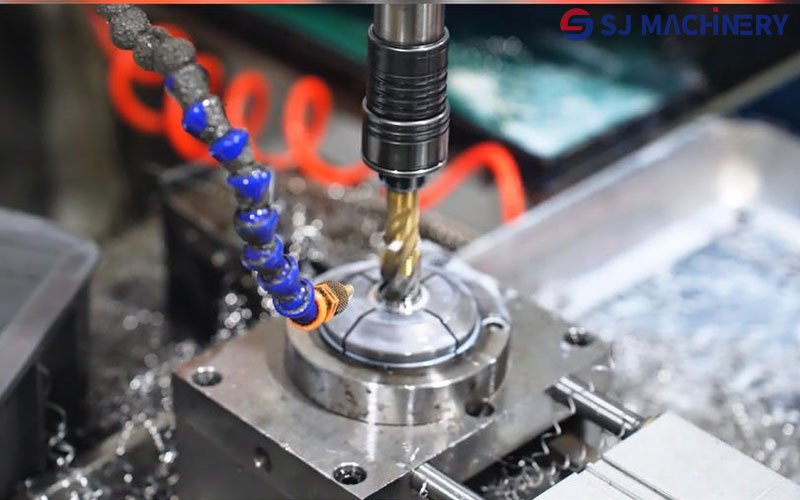
Compared with conventional milling parameters, HSM (High Speed Machining) with high spindle speed, small cutting depth and moderate feed rate concentrates cutting heat on chips rather than workpiece matrix.
Meanwhile, climb milling provides downward pressing resultant force to fit thin-walled castings closely on fixtures, avoiding workpiece lifting vibration caused by up-milling.
Sharp specialized tools reduce cutting resistance, so as to eliminate tool deflection phenomenon commonly seen in thin-wall machining.
4. Conclusion
Deformation control of thin-walled castings is a systemic problem covering full lifecycle thin-walled part manufacturing processes. Casting-stage optimization focuses on balancing solidification speed, improving mold filling efficiency and reducing original residual stress; machining-stage optimization relies on stress gradient release, uniform surface clamping and low-heat low-force cutting mode.
By combining standardized casting process parameters with customized fixture machining solutions, Suijin Machinery effectively resolves defects such as warping, cracking, and dimensional deviations in thin-walled parts, thereby meeting high-precision manufacturing requirements for components used in new energy, hydraulic machinery, and marine stainless steel applications.