
Why Choose Stainless Steel Investment Castings: A Guide for the German Market
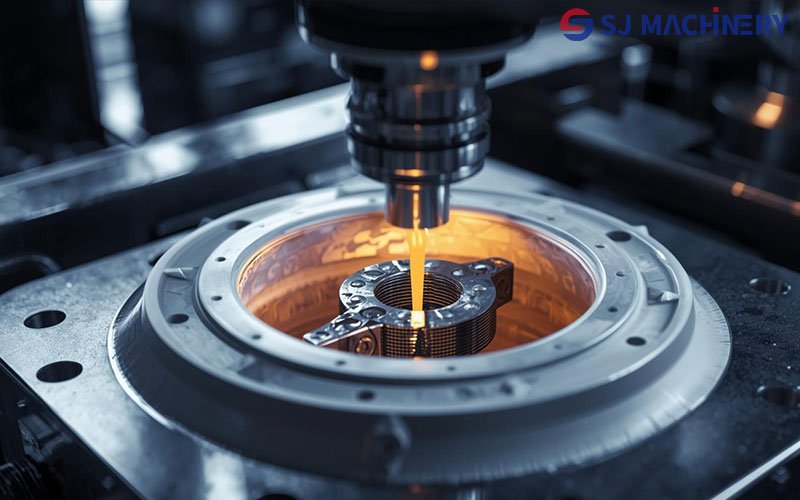
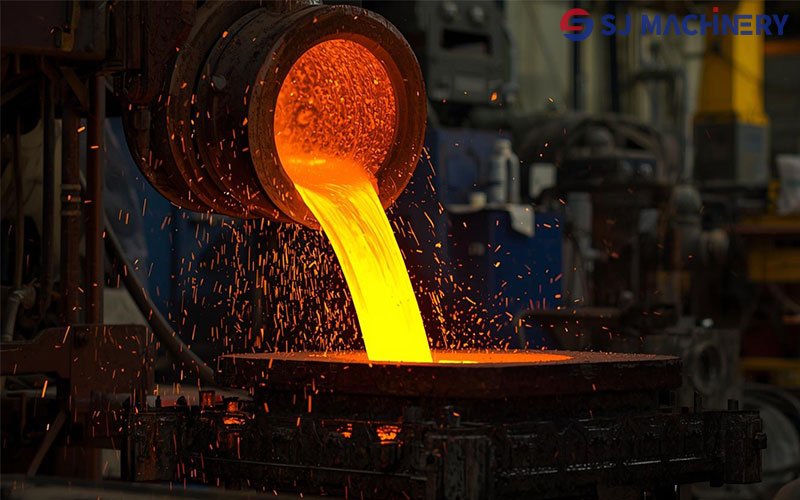
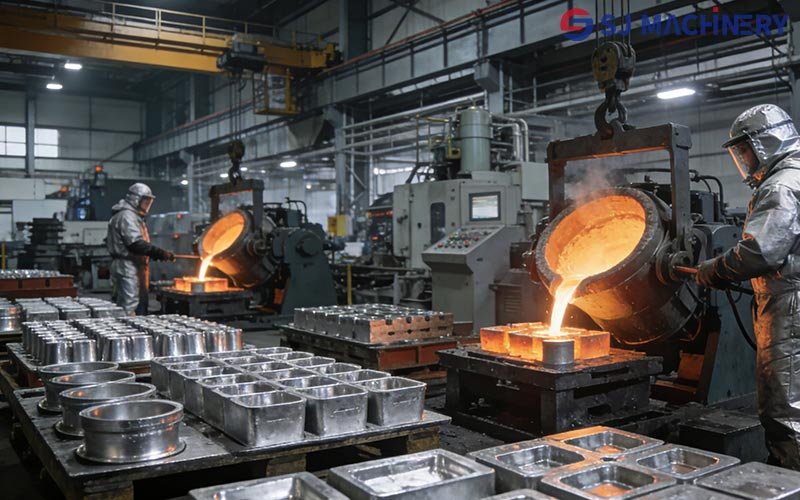
In Germany’s industrial landscape—renowned for precision engineering, strict quality standards, and a commitment to sustainability—selecting the right manufacturing process is critical to long-term success. Stainless steel investment castings, also known as lost-wax castings, have emerged as a preferred solution for industries ranging from automotive and mechanical engineering to energy and medical technology. This article explores the core reasons why stainless steel investment castings align perfectly with German industrial demands and offers targeted recommendations to maximize their value in your operations.
1. Core Reasons to Choose Stainless Steel Investment Castings for the German Market
1.1 Uncompromising Precision and Surface Quality
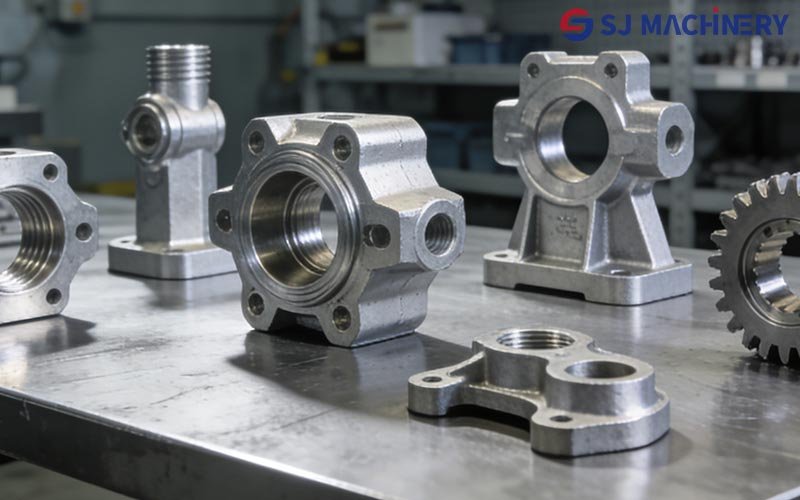
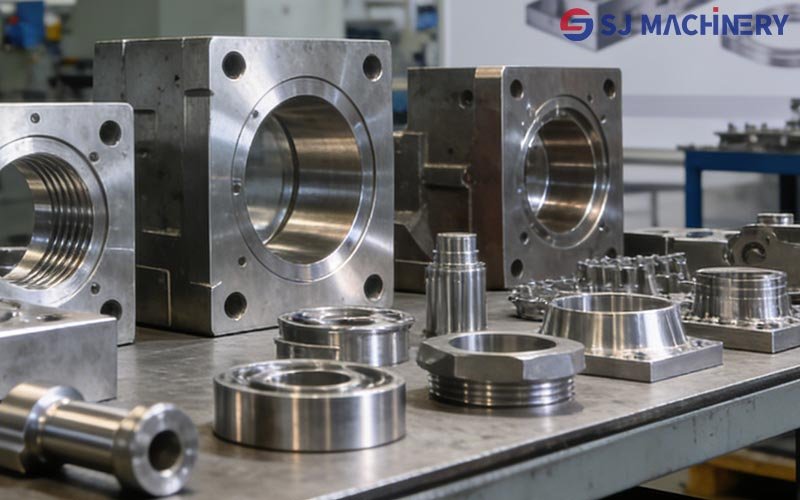
German engineering is synonymous with accuracy, and stainless steel investment castings deliver on this expectation. Unlike traditional casting methods, the lost-wax process eliminates the need for complex post-casting machining by producing parts with dimensional accuracy of up to ±0.005 cm/cm and surface roughness as low as 0.63–1.25 microns—equivalent to 7–8 microinches. This precision is particularly valuable for high-performance components, such as automotive exhaust systems, industrial valves, and medical instruments, where even minor deviations can compromise functionality. For German manufacturers, this translates to reduced production time, lower material waste, and compliance with the strict tolerances required by DIN (Deutsches Institut für Normung) and EN (European Norm) standards.
1.2 Exceptional Corrosion Resistance for Longevity
Germany’s diverse climate—from humid coastal regions to industrial zones with chemical exposure—and the demand for durable, low-maintenance equipment make corrosion resistance non-negotiable. Stainless steel, by nature, contains chromium (minimum 10.5%), which forms a protective oxide layer that prevents rust and degradation. Investment castings can be produced using a wide range of stainless steel grades, including 304, 316, and 2205 duplex stainless steel, allowing manufacturers to tailor corrosion resistance to specific applications. For example, 316 stainless steel castings are ideal for chemical processing and marine applications, while duplex grades excel in high-pressure energy infrastructure—critical for Germany’s renewable energy expansion.
1.3 Versatility for Complex, Lightweight Designs
German industries are increasingly prioritizing lightweight, compact components to improve energy efficiency—especially in the automotive and aerospace sectors. Stainless steel investment castings enable the production of complex, near-net-shape parts with intricate geometries, hollow sections, and thin walls (as thin as 0.5 mm) that would be impossible or cost-prohibitive with forging or machining. This versatility allows engineers to design lighter components without sacrificing strength, aligning with Germany’s push for electric vehicle (EV) innovation and sustainable energy solutions. Additionally, the ability to cast integrated, one-piece components eliminates the need for welding or assembly, reducing the risk of structural weaknesses and improving overall reliability.
1.4 Sustainable and Cost-Efficient in the Long Run
Sustainability is a cornerstone of German industrial policy, with strict environmental regulations and a focus on the circular economy. Stainless steel investment castings support these goals in two key ways: first, the process minimizes material waste—scrap metal from castings and risers can be fully recycled, boosting material utilization rates to up to 100% for some parts. Second, stainless steel itself is 100% recyclable, with no loss of quality, making it a closed-loop material that aligns with Germany’s target of greenhouse gas neutrality by 2045. While the initial cost of investment casting may be higher than traditional methods, the reduction in machining, maintenance, and replacement costs—coupled with longer component lifespans—delivers significant long-term savings, a critical factor for Germany’s cost-conscious industrial sector.
1.5 Alignment with Germany’s Industrial Growth Drivers
Germany’s stainless steel market is projected to grow at a CAGR of 3.97% from 2026 to 2032, driven by demand from automotive, construction, and energy sectors. Stainless steel investment castings directly support this growth: in the automotive industry (which accounts for 35% of Germany’s stainless steel consumption), they are used for engine parts and exhaust systems that meet strict emission standards. In the energy sector, castings are critical for wind turbine components and solar infrastructure, supporting Germany’s renewable energy expansion. For construction, investment castings provide durable structural components for sustainable building projects, aligning with the country’s infrastructure upgrading trends.
2. Targeted Recommendations for German Manufacturers
2.1 Partner with Certified Suppliers
Quality is non-negotiable in the German market, so prioritize suppliers with certifications such as ISO 9001 (quality management), ISO 14001 (environmental management), and IATF 16949 (automotive quality). Additionally, verify compliance with DIN and EN standards relevant to your industry—for example, DIN EN 10297 for stainless steel castings in mechanical engineering. Consider partnering with local or European suppliers, such as Imerys Metal Casting Solutions Germany or Zollern Aluminium-Feinguss Soest GmbH, which have a deep understanding of German regulations and can provide faster lead times and on-site support.
2.2 Select the Right Stainless Steel Grade
Not all stainless steel grades are equal—choose one that matches your application’s requirements for corrosion resistance, temperature tolerance, and strength. For German manufacturers:
– Use 304 stainless steel for general-purpose components in food processing and construction (aligns with Germany’s growing food manufacturing demand).
– Opt for 316 or 316Ti for chemical processing, medical equipment, and marine applications, where exposure to harsh chemicals or saltwater is common.
– Consider 2205 duplex stainless steel for high-pressure, high-corrosion environments, such as energy pipelines and offshore wind components.
Work with your supplier to test samples of different grades if you are unsure—many manufacturers offer custom grade options for investment castings.
2.3 Optimize Design for the Investment Casting Process
To maximize the benefits of investment casting, collaborate with design engineers who specialize in the lost-wax process. Simplify complex geometries where possible, avoid sharp corners (which can cause stress concentrations), and design appropriate draft angles to ensure smooth wax pattern removal. For German manufacturers focused on lightweighting, leverage the process’s ability to produce hollow or thin-walled components—this can reduce component weight by up to 30% compared to machined parts, improving energy efficiency in automotive and aerospace applications.
2.4 Prioritize Quality Control and Testing
German industrial standards require rigorous quality control, so implement a comprehensive testing regime for your investment castings. Common tests include:
– Dimensional inspection using coordinate measuring machines (CMMs) to ensure compliance with DIN/EN tolerances.
– Non-destructive testing (NDT), such as X-ray, ultrasonic, or liquid penetrant testing, to detect internal or surface defects.
– Material composition analysis to verify stainless steel grade and ensure corrosion resistance.
Partner with suppliers who offer in-house testing to streamline the process and ensure consistency.
2.5 Leverage Sustainability for Competitive Advantage
Germany’s focus on sustainability presents an opportunity to differentiate your products. Highlight the environmental benefits of stainless steel investment castings in your marketing and operations: emphasize the 100% recyclability of stainless steel, reduced material waste, and lower carbon emissions compared to traditional casting methods. Additionally, explore suppliers who use renewable energy in their casting processes—this aligns with Germany’s green infrastructure investment goals and can enhance your brand’s reputation in the market.
3. Conclusion
Stainless steel investment castings are not just a manufacturing process—they are a strategic choice for German manufacturers looking to balance precision, durability, and sustainability. Their ability to deliver high-quality, complex components that meet strict DIN/EN standards, resist corrosion, and support circular economy goals makes them ideal for Germany’s industrial sectors. By partnering with certified suppliers, selecting the right stainless steel grade, optimizing design, and prioritizing quality control, you can unlock the full potential of stainless steel investment castings and gain a competitive edge in one of the world’s most demanding industrial markets.