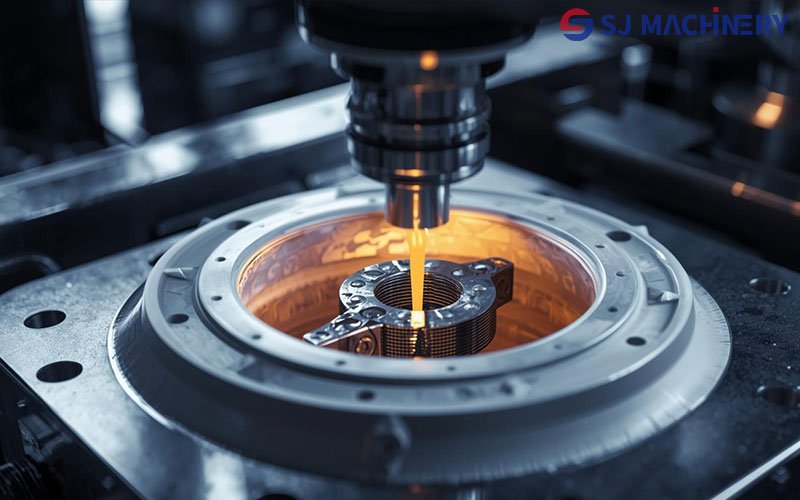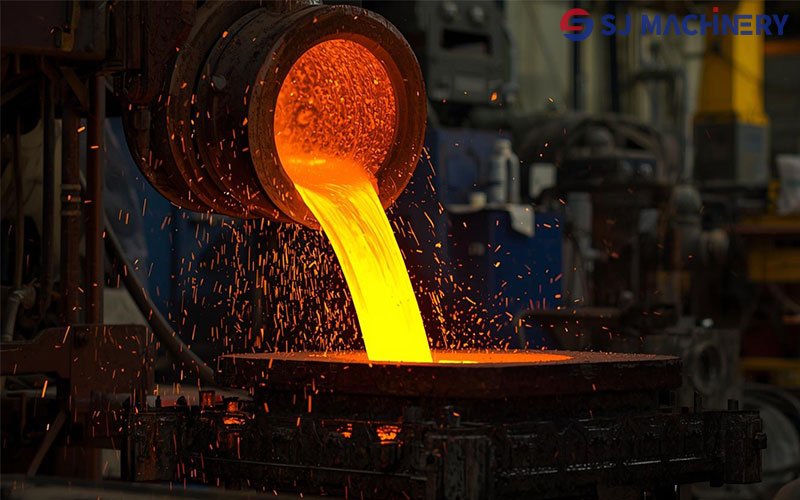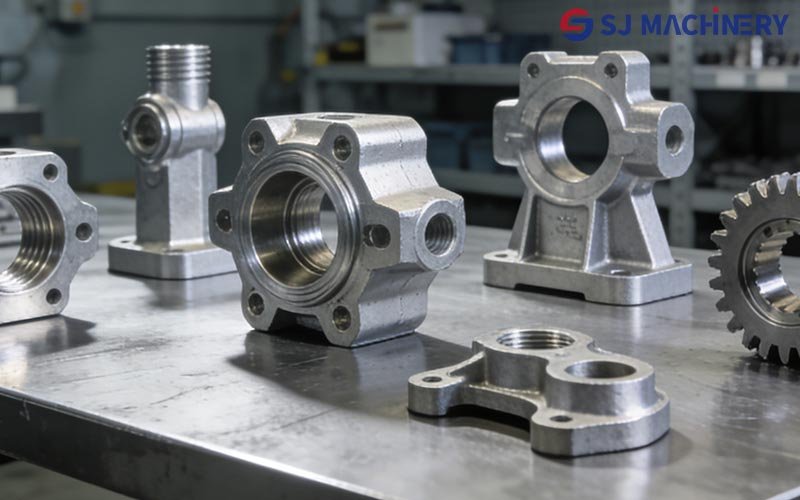
Investment casting, also known as lost-wax casting, is a precision manufacturing process widely utilized across the European industrial landscape—from automotive and aerospace to energy, medical devices, and industrial machinery. Its ability to produce complex, near-net-shape components with tight tolerances, smooth surface finishes, and consistent mechanical properties makes it indispensable for high-performance applications. However, the success of an investment casting project hinges heavily on one critical decision: alloy selection. The European market, characterized by stringent regulatory standards, evolving sustainability goals, and diverse end-user requirements, demands a strategic approach to choosing alloys that balance performance, compliance, cost-effectiveness, and environmental responsibility.
1. Understanding the European Market Context: Drivers and Constraints
Before delving into alloy properties, it is essential to recognize the unique factors shaping alloy selection in Europe. First, regulatory compliance is non-negotiable. The European Union (EU) has established rigorous standards to ensure component safety, durability, and environmental compatibility—examples include the REACH (Registration, Evaluation, Authorization and Restriction of Chemicals) regulation, which restricts the use of hazardous substances such as lead, cadmium, and hexavalent chromium; the RoHS (Restriction of Hazardous Substances) directive, applicable to electrical and electronic equipment; and industry-specific standards like EN 10269 for steel castings and EN 1706 for aluminum castings. Any alloy selected must adhere to these directives to avoid market access barriers.
Second, sustainability has become a core priority for European industries, driven by the EU’s Green Deal, circular economy initiatives, and carbon neutrality goals (net-zero by 2050). This shifts focus toward alloys with lower carbon footprints, high recyclability, and reduced energy consumption during casting and processing. Recycled alloys, lightweight materials that improve energy efficiency in end products, and alloys compatible with circular manufacturing processes are increasingly preferred.
Third, European end-users demand high reliability and long service life, particularly in critical sectors such as aerospace (e.g., engine components), automotive (e.g., powertrain parts), and medical devices (e.g., surgical instruments). Alloys must therefore exhibit exceptional mechanical strength, corrosion resistance, heat resistance, and fatigue performance to meet these rigorous demands.
2. Key Alloy Categories for European Investment Casting Applications
The most commonly used alloys in European investment casting fall into four primary categories, each with distinct properties and applications tailored to market needs. Below is a detailed overview of each category, including their advantages, limitations, and typical European use cases.
2.1 Carbon and Low-Alloy Steels
Carbon and low-alloy steels are the workhorses of European investment casting, valued for their excellent mechanical properties, affordability, and wide availability. These alloys contain up to 2.1% carbon, with low levels of alloying elements (e.g., manganese, chromium, nickel, molybdenum) to enhance strength, toughness, and wear resistance without significantly increasing cost. Common grades used in Europe include EN 10269 Grade C45 (carbon steel) and EN 10269 Grade 42CrMo4 (low-alloy steel).
Advantages for the European market: High tensile strength, good machinability, compatibility with recycling (steel recycling rates in Europe exceed 85%), and compliance with most EU regulations. They are also cost-effective, making them ideal for high-volume applications.
Limitations: Limited corrosion resistance (unless coated) and moderate heat resistance, restricting their use in high-temperature or harsh chemical environments.
Typical European applications: Automotive powertrain components (e.g., gears, crankshafts), industrial machinery parts (e.g., valves, bearings), and construction hardware. These alloys are widely used by European automotive manufacturers such as Volkswagen, BMW, and Mercedes-Benz, as well as industrial equipment suppliers like Siemens.
2.2 Stainless Steels
Stainless steels are essential for European applications requiring corrosion resistance, hygiene, and durability—key priorities in sectors such as food processing, medical devices, marine engineering, and chemical processing. These alloys contain at least 10.5% chromium, which forms a passive oxide layer that protects against rust and corrosion. Common grades used in European investment casting include austenitic stainless steels (e.g., AISI 316L, EN 1.4404), ferritic stainless steels (e.g., AISI 430, EN 1.4016), and martensitic stainless steels (e.g., AISI 410, EN 1.4006).
Advantages for the European market: Exceptional corrosion resistance (particularly austenitic grades like 316L, which is resistant to saltwater and aggressive chemicals), compliance with hygiene standards (critical for food and medical applications), and good recyclability. Austenitic stainless steels also offer excellent ductility and weldability, making them suitable for complex components.
Limitations: Higher cost compared to carbon steels, and some grades (e.g., martensitic stainless steels) have lower toughness at low temperatures. They also require careful casting to avoid defects such as carbide precipitation, which can reduce corrosion resistance.
Typical European applications: Food processing equipment (e.g., valves, pumps), medical devices (e.g., surgical implants, instrument housings), marine components (e.g., propeller shafts, hull fittings), and chemical processing valves. European medical device manufacturers, such as Siemens Healthineers and Philips, rely heavily on 316L stainless steel for its biocompatibility and corrosion resistance.
2.3 Nickel-Based Superalloys
Nickel-based superalloys are the material of choice for European high-temperature and high-stress applications, particularly in the aerospace, energy, and gas turbine industries. These alloys contain high levels of nickel (typically 50% or more) along with alloying elements such as chromium, cobalt, molybdenum, and tungsten, which provide exceptional heat resistance, creep strength, and oxidation resistance at temperatures exceeding 600°C.
Common grades used in European investment casting include Inconel 718 (EN 2.4668), Inconel 625 (EN 2.4856), and Hastelloy C-276 (EN 2.4819). These alloys are fully compliant with EU aerospace standards (e.g., EN 9100) and REACH regulations.
Advantages for the European market: Unmatched high-temperature performance, excellent creep and fatigue resistance, and compatibility with the rigorous quality requirements of the aerospace and energy sectors. They are also recyclable, aligning with European sustainability goals.
Limitations: High cost (due to the high nickel content and complex manufacturing processes), poor machinability, and longer casting cycles. These factors make them suitable primarily for high-value, critical components.
Typical European applications: Aerospace engine components (e.g., turbine blades, combustion chambers) for aircraft manufacturers like Airbus and Safran, gas turbine components for energy companies such as Vestas and Siemens Energy, and nuclear power plant parts. Nickel-based superalloys are critical to Europe’s aerospace industry, which is a major driver of innovation in investment casting.
2.4 Aluminum Alloys
Aluminum alloys are increasingly popular in the European market due to their lightweight properties, which contribute to energy efficiency— a key priority for the automotive and aerospace industries as they strive to reduce carbon emissions. These alloys offer good corrosion resistance, high thermal conductivity, and excellent castability, making them suitable for complex, lightweight components.
Common grades used in European investment casting include EN AC-42100 (A356) and EN AC-43400 (A380). These alloys are compliant with RoHS and REACH, and their high recyclability (aluminum recycling requires 95% less energy than primary production) aligns with European sustainability targets.
Advantages for the European market: Lightweight (density approximately 1/3 that of steel), good corrosion resistance (particularly when heat-treated), excellent castability for complex shapes, and cost-effectiveness for high-volume applications. They also contribute to reduced fuel consumption in automotive and aerospace end products.
Limitations: Lower tensile strength and heat resistance compared to steel and nickel-based superalloys, restricting their use in high-stress or high-temperature applications.
Typical European applications: Automotive components (e.g., cylinder heads, intake manifolds), aerospace structural parts (e.g., brackets), and consumer electronics (e.g., device housings). European automotive manufacturers are increasingly adopting aluminum investment castings to lightweight vehicles, supporting the EU’s fleet emissions targets (95 g CO₂/km by 2025).
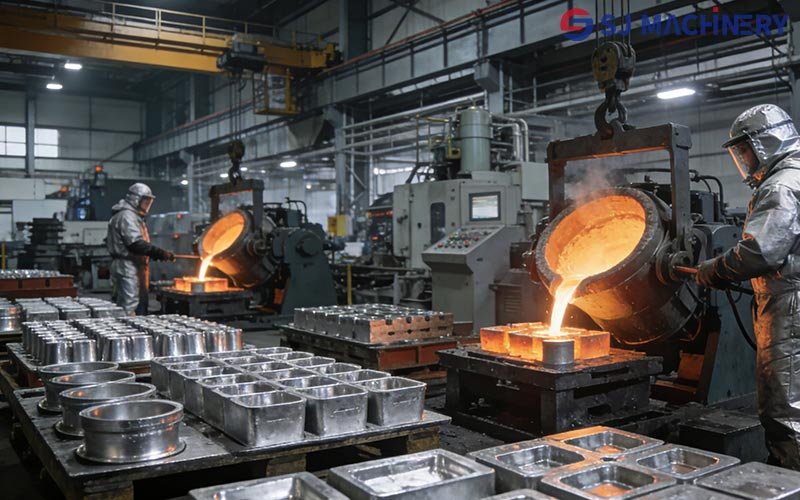
3. Critical Factors for Alloy Selection in the European Market
When selecting an alloy for investment casting in Europe, manufacturers must consider the following key factors to ensure compliance, performance, and cost-effectiveness:
3.1 Regulatory Compliance
As mentioned earlier, compliance with EU regulations is mandatory. Manufacturers must verify that the alloy does not contain restricted substances (per REACH and RoHS) and meets industry-specific standards (e.g., EN 10269 for steel, EN 1706 for aluminum, EN 9100 for aerospace). For medical applications, alloys must also comply with biocompatibility standards such as ISO 10993.
3.2 End-Use Application Requirements
The alloy must be matched to the component’s operating conditions: temperature (high-temperature applications require nickel-based superalloys), corrosion exposure (stainless steels for harsh environments), mechanical stress (carbon/low-alloy steels for high strength), and weight (aluminum alloys for lightweighting). For example, a marine valve must resist saltwater corrosion (316L stainless steel), while an aerospace turbine blade must withstand extreme heat (Inconel 718).
3.3 Sustainability and Recyclability
European manufacturers are under increasing pressure to adopt sustainable practices. Alloys with high recyclability (e.g., steel, aluminum, stainless steel) are preferred, as are recycled alloys (which reduce carbon emissions and raw material costs). Manufacturers should also consider the alloy’s carbon footprint during casting—aluminum and recycled steel have lower footprints than primary nickel-based alloys.
3.4 Cost-Effectiveness
While performance and compliance are critical, cost remains a key consideration. Manufacturers must balance the alloy’s material cost, casting complexity, and post-casting processing (e.g., machining, heat treatment) to ensure the final component is cost-competitive. For high-volume, non-critical applications, carbon steel or aluminum alloys are ideal; for high-value, critical components, nickel-based superalloys may be necessary despite their higher cost.
3.5 Castability
Not all alloys are equally suitable for investment casting. Alloys with good fluidity (e.g., aluminum alloys, austenitic stainless steels) are easier to cast into complex shapes with tight tolerances, reducing the risk of defects such as porosity or incomplete filling. Manufacturers should work closely with casting suppliers to select an alloy that matches the component’s design complexity.
4. Trends Shaping Alloy Selection in the European Investment Casting Market
The European investment casting alloy market is evolving in response to changing industry demands and regulatory pressures. Key trends include:
– Lightweighting with Advanced Aluminum Alloys: As the automotive and aerospace industries strive to reduce carbon emissions, there is growing demand for high-strength aluminum alloys (e.g., A356 with T6 heat treatment) that offer a balance of weight and performance.
– Recycled and Low-Carbon Alloys: European manufacturers are increasingly adopting recycled alloys (e.g., recycled stainless steel, recycled aluminum) and low-carbon production processes to reduce their environmental impact. Some suppliers are also developing “green” nickel-based superalloys with lower carbon footprints.
– Custom Alloys for Specialized Applications: To meet the unique requirements of sectors such as aerospace and medical devices, European manufacturers are collaborating with material suppliers to develop custom alloys tailored to specific operating conditions (e.g., biocompatible stainless steels for implants, high-temperature nickel alloys for next-generation gas turbines).
– Digitalization in Alloy Selection: Advanced simulation tools are being used to predict the performance of different alloys during casting and in service, enabling manufacturers to select the optimal alloy more efficiently and reduce the risk of defects.
5. Conclusion
Alloy selection is a critical decision in investment casting, particularly in the European market, where regulatory compliance, sustainability, and high performance are non-negotiable. By understanding the unique requirements of the European market—including EU regulations, sustainability goals, and end-user needs—manufacturers can select alloys that balance performance, cost, and environmental responsibility.
Carbon and low-alloy steels remain ideal for cost-effective, high-volume applications; stainless steels are essential for corrosion-resistant and hygienic components; nickel-based superalloys excel in high-temperature, high-stress environments; and aluminum alloys are the top choice for lightweighting. As the European market continues to evolve, manufacturers must stay abreast of regulatory changes, sustainability trends, and material innovations to select the optimal alloy for each investment casting project.
Ultimately, successful alloy selection requires collaboration between casting manufacturers, material suppliers, and end-users to ensure that the final component meets all technical, regulatory, and commercial requirements—driving innovation and competitiveness in Europe’s thriving investment casting industry.