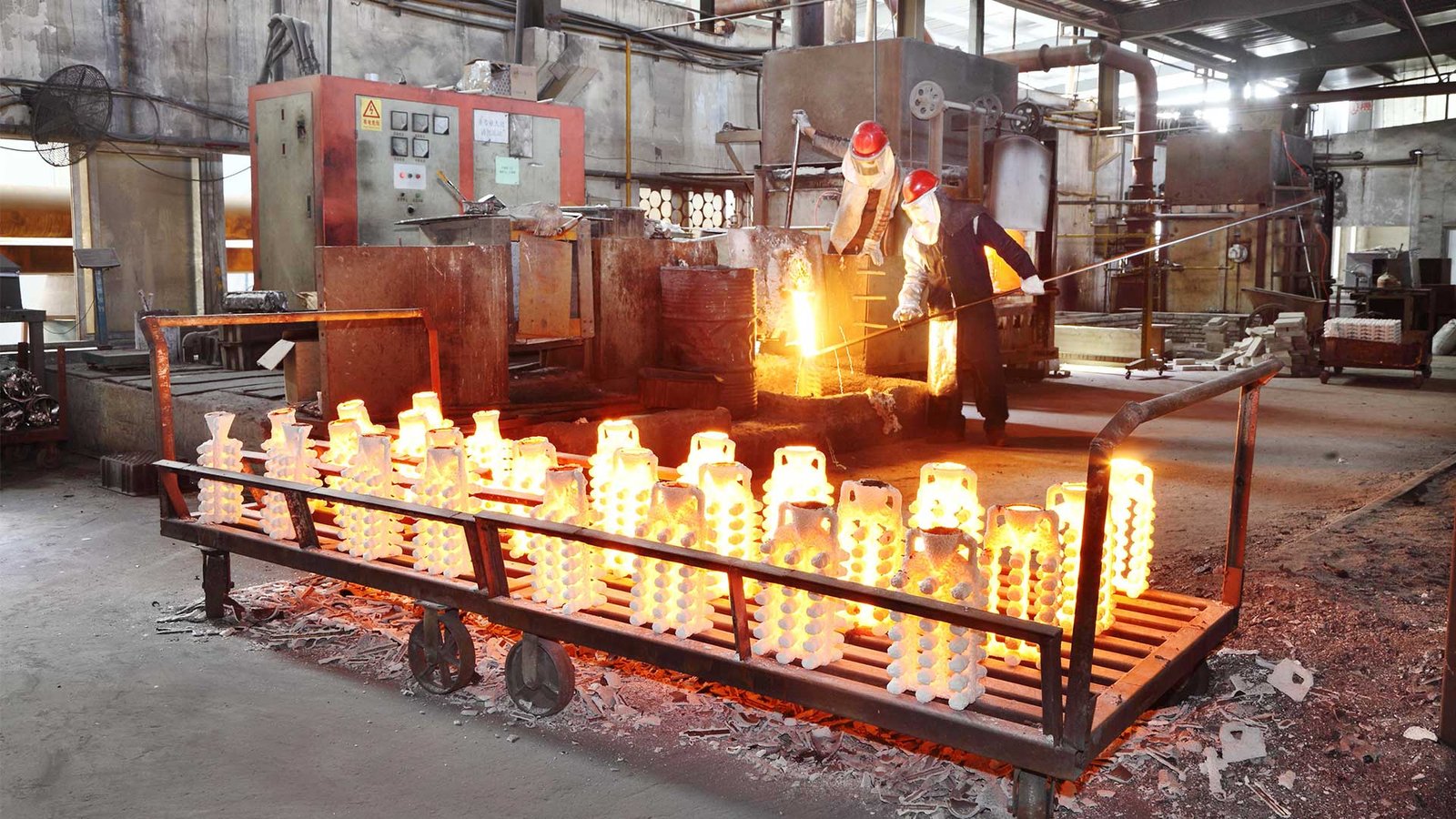
The lead time for investment casting can vary significantly depending on a number of factors, including the complexity of the part, the material used, the number of parts ordered, and the foundry’s workload.
1. Investment Casting Design and Model Creation
Initial Design Phase: If the part is new and needs to be designed from scratch, this can take several days to several weeks. In some cases, particularly for highly complex aerospace or medical components, the design process may involve multiple iterations with the customer and extensive computer-aided design (CAD) work. For example, designing a new aircraft engine turbine blade can take two to four weeks as engineers optimize the shape for aerodynamic efficiency and heat resistance.
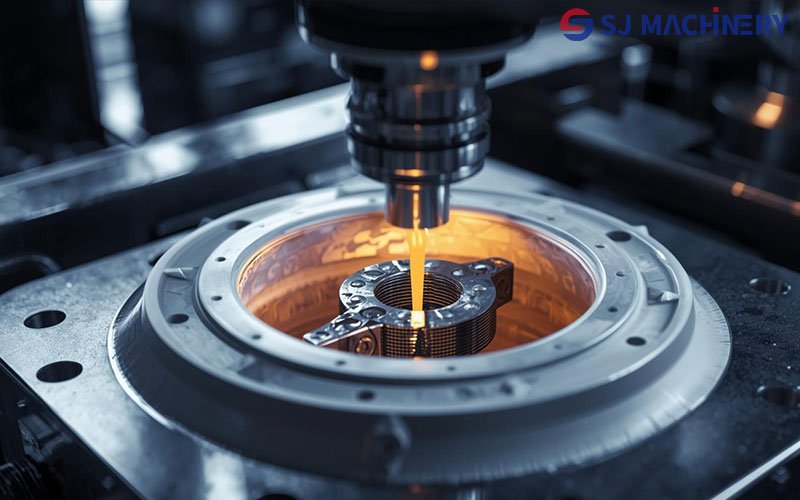
Wax Pattern Creation: Once the design is finalized, wax patterns are created. For simple parts, the wax injection process is relatively quick. If the part has a basic shape and the foundry already has a mold of a similar design, wax patterns for small batches (e.g., 10-50 pieces) can be created in one to two days. However, for complex parts with fine details or internal cavities, each wax pattern may require meticulous crafting. This can extend the wax pattern production time for small batches to a week or more. Furthermore, if cores are needed to create internal features, inserting and securing them within the wax pattern will also add time.
2. Investment Casting Ceramic Shell Preparation
Impregnation and Lamination: The production of a ceramic shell involves multiple impregnation steps. Each impregnation step is followed by a drying period. For standard-sized parts, the impregnation process can take 2-3 days, with an additional 1-2 days of drying time between each impregnation step. Overall, ceramic shell preparation for simple to medium-complexity parts takes approximately 3-5 days. However, for large or very complex parts, which require multiple layers of ceramic slurry to ensure strength and dimensional accuracy, this process can take up to a week or more. For example, a large, complex marine component with thick walls and intricate external features may require 7-10 days to fully prepare the ceramic shell.
3. Investment Casting Dewaxing and Preheating
Dewaxing: The dewaxing process itself typically takes several hours. After the wax pattern, covered with the ceramic shell, is placed in the dewaxing furnace, the wax can be melted within 2-4 hours, depending on the size of the wax pattern and the furnace capacity. However, preparation time for the dewaxing process, including loading the wax pattern and ensuring proper temperature control, may add an additional 1-2 hours.
Preheating the Shell: After dewaxing, the ceramic shell needs to be preheated. This typically takes 1-2 days, as the shell needs to be gradually brought to the correct temperature to ensure proper metal flow during pouring. Preheating time may be longer for larger or thicker shells, as they require longer to reach a uniform temperature.
4. Investment Casting Metal Pouring and Solidification
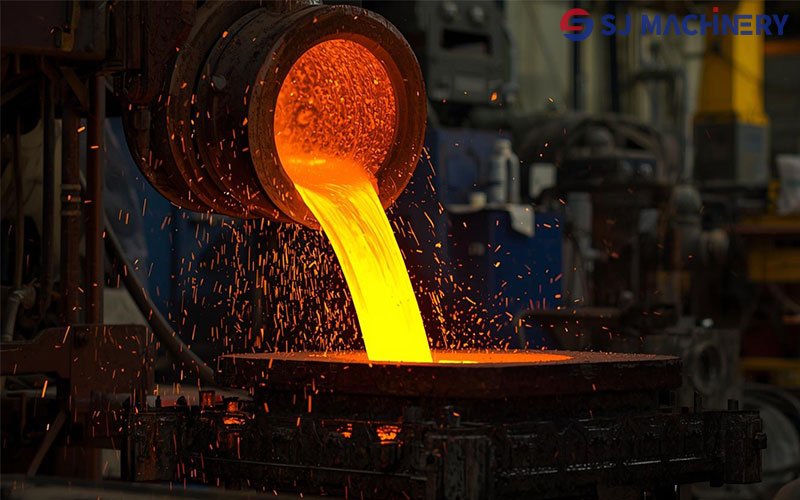
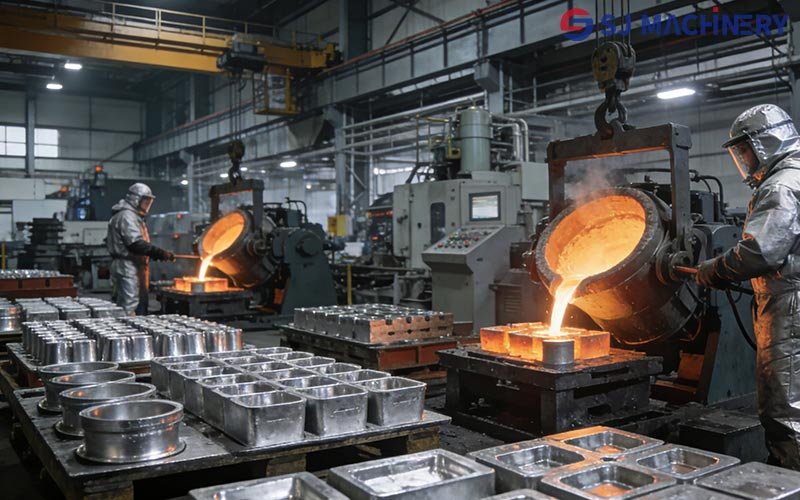
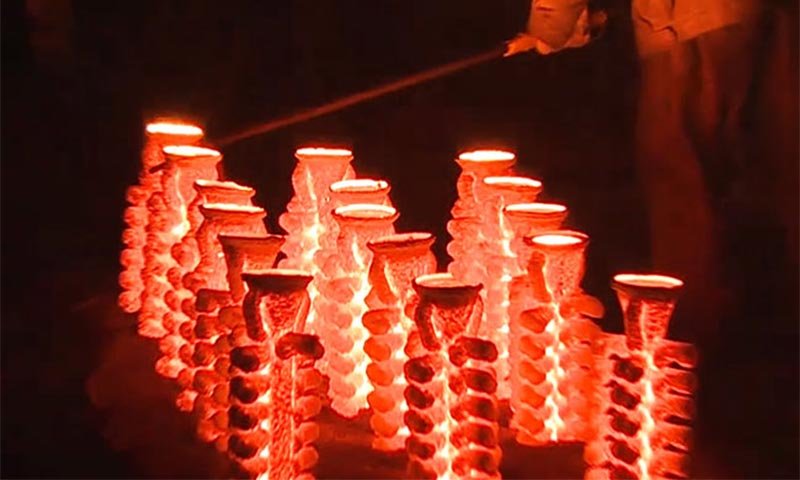
Pouring: The actual pouring of the molten metal is a relatively quick process. Depending on the size of the part and the pouring equipment, pouring time can range from a few minutes to half an hour. For small parts, pouring may be completed in 5-10 minutes, while for large, complex components, it may take 20-30 minutes. However, preparation for pouring, including melting the metal to the correct temperature and preparing the pouring ladle, can take several hours.
Solidification: The solidification time of the metal depends on the thickness of the part and the metal used. Thin-walled aluminum parts may solidify in 10 to 15 minutes, while thick-walled steel or high-temperature alloy parts may take several hours. For example, a large steel casting several inches thick may take 2 to 4 hours to fully solidify.
5. Investment Casting Post-Processing and Inspection
Mold Removal and Trimming: For low-volume parts, removing the ceramic shell and trimming the sprue and gate after solidification may take 1-2 days. This process may involve both manual labor and mechanical equipment and may take longer if the part contains many complex, hard-to-reach areas.
Finishing: Finishing operations such as sandblasting, heat treating, and machining can significantly increase lead time. For low-volume parts, sandblasting to remove residual ceramic material may take several hours, while heat treating may take 1-2 days, depending on the metal type and desired properties. Minor machining to achieve final dimensions may also take 1-3 days, especially if tight tolerances are required.
Inspection: The inspection process may include visual inspection, dimensional inspection, and non-destructive testing, and may take 1-2 days. For high-quality, critical components, such as those used in aerospace, more rigorous inspection procedures may be required, extending the inspection time to 3-5 days.
6. Investment Casting Total Lead Time
Small, Simple Parts: For small, simple investment casting parts in small batches (10 to 50 pieces), if the foundry has existing molds and the workload is relatively light, the total lead time from design approval to finished product delivery can be as short as 2 to 3 weeks.
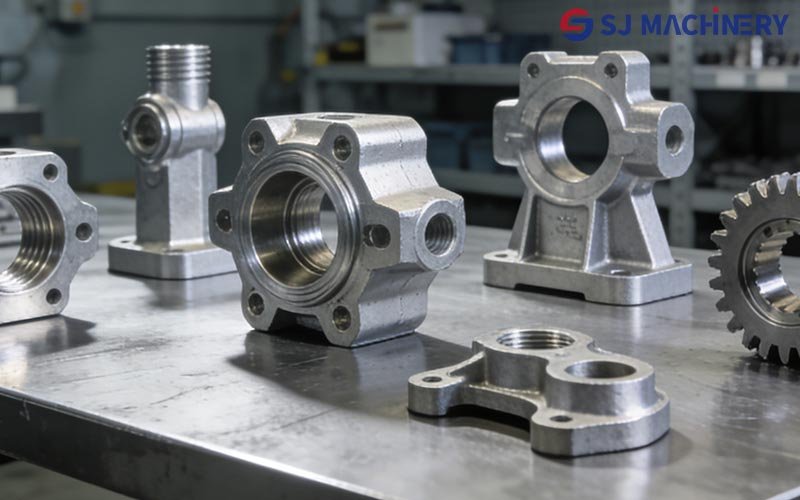
Medium-Sized, Medium-Complexity Parts: For medium-sized parts of medium complexity (such as typical automotive engine components), lead time is typically 4 to 6 weeks. This includes time for design modifications, wax pattern creation, ceramic shell fabrication, metal pouring, post-processing, and inspection.
Large, Highly Complex Parts: For large, highly complex parts, such as those used in aerospace or power generation, lead time can be 8 to 12 weeks or even longer. These parts typically require more detailed design work, longer ceramic shell preparation times, and more extensive post-processing and inspection procedures.
In recent years, some foundries have been adopting new technologies to shorten lead times. For example, using 3D printing technology to produce wax patterns or ceramic shells can significantly reduce the time required for wax pattern creation and mold preparation. Using 3D printed wax patterns can reduce lead times for small, complex parts by 1-2 weeks compared to traditional wax injection methods.