
Nachrichten
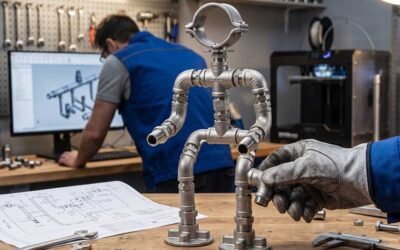
Investment Casting vs. Sand Casting for Stainless Steel Pipe Fittings: Why Precision Matters
If you are searching for a trustworthy and experienced stainless steel pipe fitting manufacturer for your chemical processing, water treatment, or food machinery projects, we are your most reliable long-term partner.
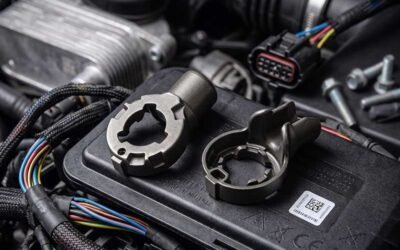
Beschaffungsempfehlungen für Terminals für Automobilteile aus Legierungsguss
Beschaffung von Anschlussklemmen aus Legierungsguss für die Automobilindustrie mittels modernem Feingussverfahren. Für kritische strukturelle und elektrische Verbindungen müssen Anschlussklemmen aus Legierungsguss strenge Anforderungen erfüllen. Bei der Beschaffung dieser wichtigen Komponenten sind Beschaffungsingenieure in der Automobilindustrie….
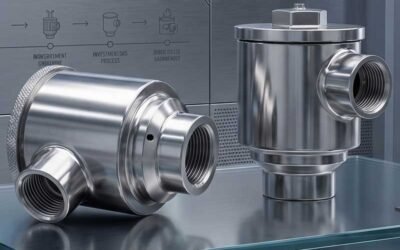
Warum bei hochwertigen industriellen Fluidsteuerungssystemen auf Ventilkörper aus 316er-Edelstahlguss gesetzt wird
1. Einleitung Ein hochleistungsfähiger Ventilkörper aus Edelstahl 316 bildet das Herzstück moderner industrieller Fluidsteuerungssysteme. In anspruchsvollen Einsatzbereichen wie der chemischen Verarbeitung, der Öl- und Gasförderung, dem Schiffsbau sowie der Lebensmittelindustrie und….
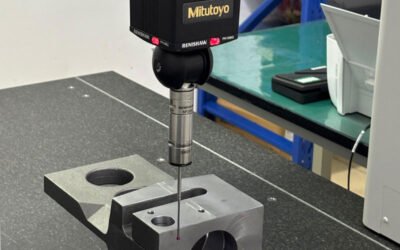
Integriertes Gussverfahren und CNC-Bearbeitung: Die ultimative Fertigungslösung aus einer Hand
Die Integration von Guss und CNC-Bearbeitung verändert die Art und Weise, wie Beschaffungsmanager und Ingenieure wichtige Metallkomponenten beschaffen. Traditionell stehen Einkäufer vor einem hartnäckigen Dilemma in der Lieferkette: Soll man Rohgussteile von einer Gießerei beziehen und diese dann an einen separaten...
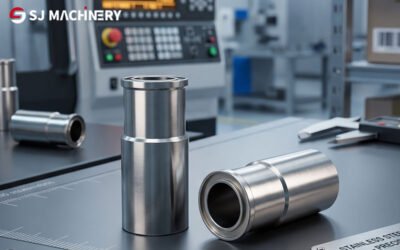
Schlauchkupplungen aus Edelstahl für den industriellen Einsatz: ORFS vs. JIC 37°-Flare – Leitfaden zur Beschaffung
Die industrielle Edelstahl-Schlauchkupplung ist eine systemkritische Verbindungskomponente, die in der Hochdruckhydraulik, in Pneumatikkreisläufen, in der Schifffahrtsinfrastruktur, in der chemischen Verarbeitung sowie in korrosiven Industrieumgebungen weit verbreitet ist. Für Großhändler, Geräte-OEMs...
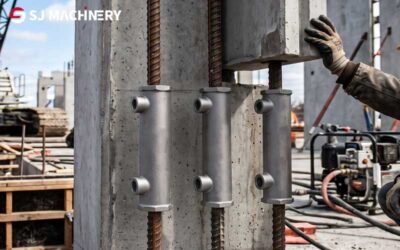
Warum aus duktilem Gusseisen im Sandgussverfahren hergestellte Bewehrungsmörtelhülsen der Standard im Fertigteilbau sind
Suchen Sie nach zuverlässigen Lösungen für die Verbindung von Bewehrungsstäben? Erfahren Sie, warum aus duktilem Gusseisen im Sandgussverfahren hergestellte Bewehrungsmuffen, die durch präzise CNC-Bearbeitung veredelt werden, die optimale Wahl für den sicheren und effizienten Fertigbetonbau sind.
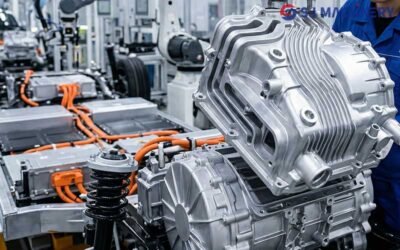
Der Wandel im Bereich der Automobilgussteile: Der Aufstieg von Gussteilen für Fahrzeuge mit alternativen Antrieben im Zeitalter der Elektrifizierung
Der weltweite Trend hin zu Fahrzeugen mit alternativen Antrieben (NEVs) hat eine tiefgreifende Umstrukturierung in der gesamten Automobilzulieferindustrie ausgelöst. Bei den traditionellen Gussteilen für die Automobilindustrie, die einst von vereinzelten, kleinen Einzelteilen für Verbrennungsmotoren (ICE) dominiert wurden...
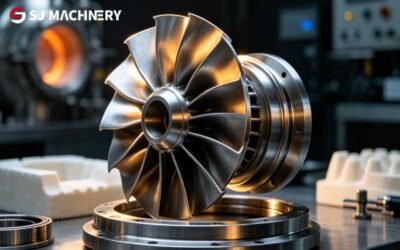
Turbinen-Gussteile: Moderne Fertigungstechniken, Werkstoffeigenschaften und Einblicke in den industriellen Markt
Die Turbinen-Gusstechnik ist eine umfassende Kombination aus Werkstoffwissenschaft, Präzisionsgusstechnik und digitaler Bearbeitungstechnik und stellt eine zentrale Grundkomponente dar, die die Leistungssteigerung von Flugzeugtriebwerken, industriellen Gasturbinen und Hochleistungs-Antriebssystemen für Kraftfahrzeuge begrenzt.
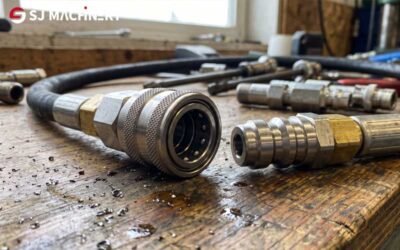
Schnellkupplungen – Gussausführungen und Beschaffungsrichtlinien
Der Guss von Schnellkupplungen bildet die Grundlage für eine zuverlässige Funktion der Fluidverbindungen. Die richtige Abstimmung von Gusstechnik, Legierungsmaterial und Absperrkonstruktion verlängert direkt die Lebensdauer und verringert Sicherheitsrisiken im Betrieb. Da die Nachfrage nach leckagefreien, hochdruckfesten und korrosionsbeständigen Fluidverbindungen stetig steigt, gewinnt der maßgeschneiderte Präzisionsguss für Hersteller von Schnellkupplungen zunehmend an Bedeutung.