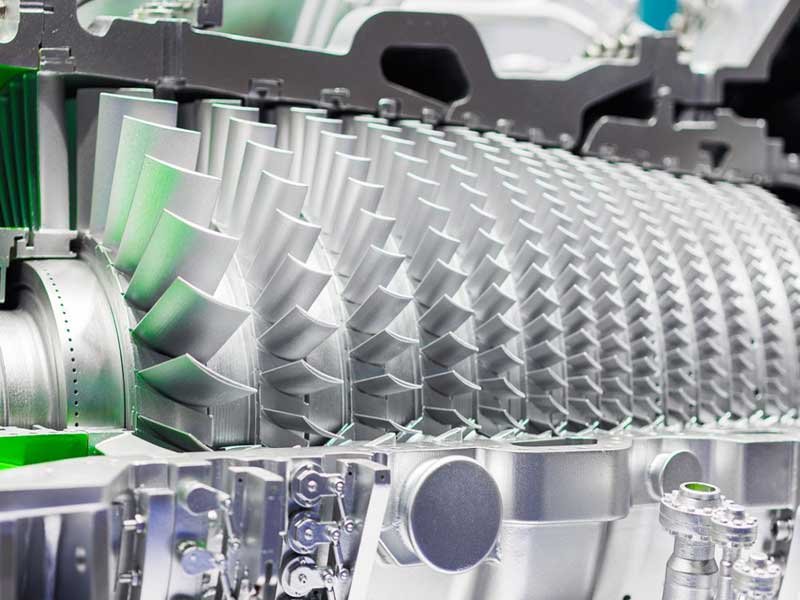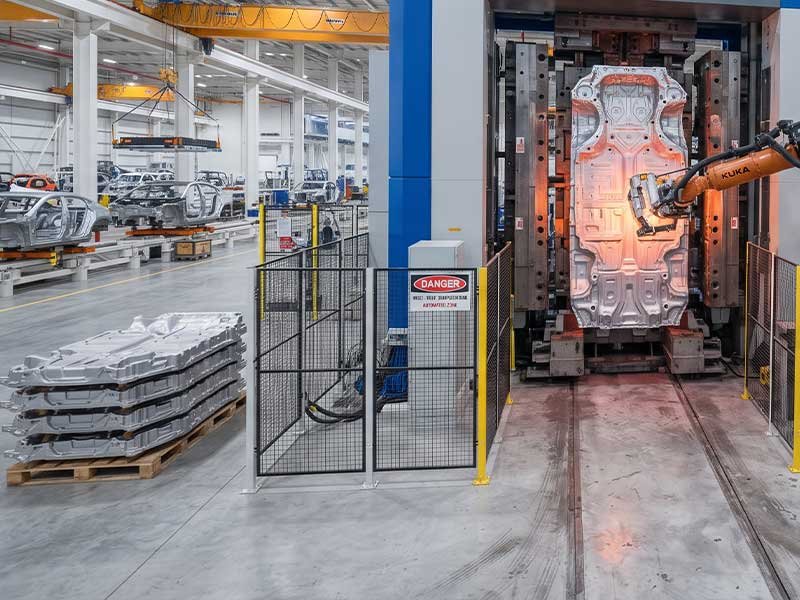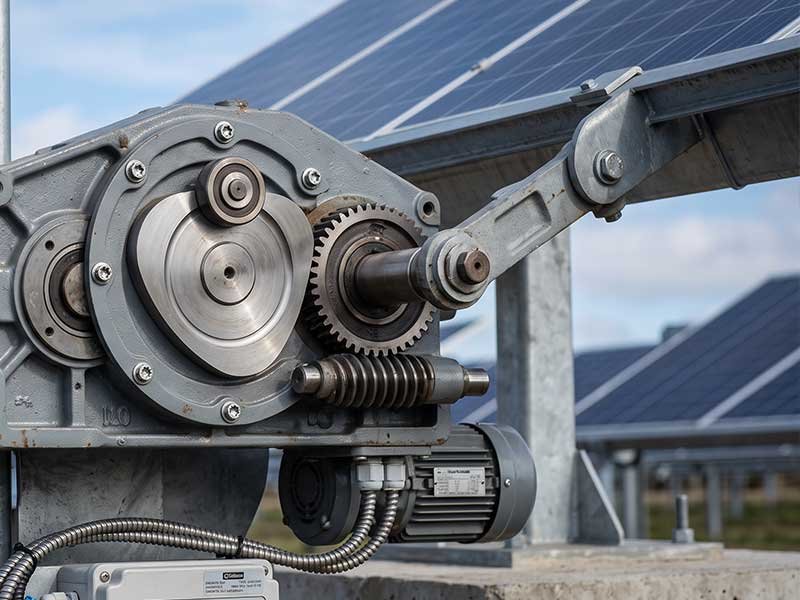
High-Performance Aerospace Investment Casting Precision Components. Investment casting has become a cornerstone technology, playing a critical role in the production of complex, high-performance aircraft engine components. This specialized casting process has become indispensable due to the extreme operating conditions to which aircraft engines are subjected.
Aircraft engines are subjected to temperatures exceeding 1000°C and immense mechanical stress during operation. Consequently, components within these engines must exhibit exceptional durability, dimensional accuracy, and resistance to thermal fatigue. Precision investment casting has proven to be the preferred solution for aerospace manufacturers to meet these stringent requirements.
1. Precision in Aerospace Investment Casting
The aerospace industry’s unwavering commitment to safety, performance, and efficiency is reflected in the meticulous casting processes employed. Vacuum investment casting has become the standard method for manufacturing critical aerospace components. By creating an oxygen-free environment, this technique effectively removes atmospheric contaminants, significantly reducing oxide inclusions and porosity. The resulting castings possess exceptional material purity and superior mechanical properties, meeting the rigorous quality and consistency standards of the aerospace industry.
Specialized casting technologies further enhance the performance of investment casting in aerospace applications. For example, single-crystal casting is crucial for manufacturing components such as turbine blades. Precisely controlling the solidification process creates a single, continuous crystal structure, significantly improving creep resistance and fatigue life, especially at temperatures exceeding 1200°C.
Directional casting of superalloys is also widely used to control grain growth along specific directions. This method enhances the mechanical strength of components along critical axes, making it ideal for parts subject to directional stresses. In contrast, equiaxed casting processes produce randomly oriented grains and are typically used for less critical aerospace components where cost-effectiveness is paramount without sacrificing essential mechanical properties.
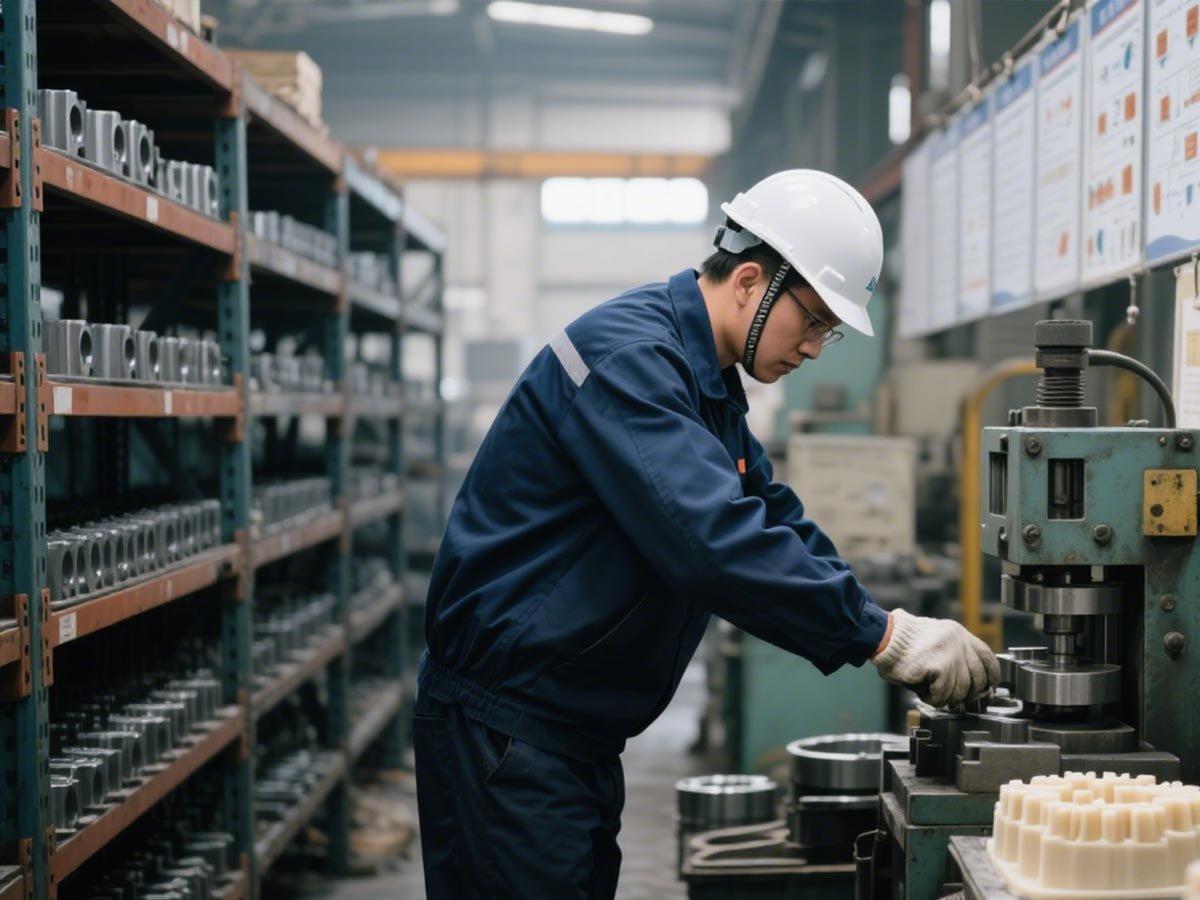
2. Materials for Extreme Conditions
The success of aerospace investment casting depends on careful material selection. The aerospace industry relies heavily on high-temperature resistant superalloys and specialty alloys to ensure optimal performance under extreme conditions.
Inconel alloys such as Inconel 718 are renowned for their excellent oxidation and corrosion resistance, as well as tensile strengths exceeding 1400 MPa. Their high-temperature stability up to 700°C makes them a top choice for components such as turbine blades, combustion chambers, and exhaust system components.
Single-crystal superalloys in the CMSX family, such as CMSX-4, exhibit excellent creep resistance and maintain tensile strengths exceeding 1200 MPa even at temperatures approaching 1100°C. These alloys have made a significant contribution to the durability of modern high-performance jet engine turbine blades.
Titanium alloys, particularly Ti-6Al-4V, offer unparalleled strength-to-weight ratios, corrosion resistance, and compatibility with composite materials. With tensile strengths exceeding 950 MPa, they are commonly used in the manufacture of engine structural components, fuselage sections, and compressor blades.
Rene alloys, such as Rene 80, exhibit excellent fatigue resistance, especially under cyclic loading, with tensile strengths of approximately 1300 MPa and stable properties at temperatures up to 980°C. They are commonly used in the manufacture of turbine impellers, rotor disks, and engine structural components.
Hastelloy alloys, such as Hastelloy X, exhibit excellent corrosion and oxidation resistance and maintain their structural integrity at sustained operating temperatures up to 1200°C. This makes them a popular choice for components such as combustion chambers and afterburners.
3. Advances in Rapid Prototyping Technology
Rapid prototyping technology has revolutionized the aerospace development cycle, providing valuable insights into complex designs and accelerating component validation. Aerospace manufacturers often employ a variety of rapid prototyping methods to accelerate the development process.
CNC machining of high-temperature alloys can quickly produce precise prototypes with dimensional accuracy within ±0.002 inches. This method enables aerospace engineers to quickly validate designs, conduct structural testing, and confirm aerodynamic properties before committing to full production.
3D printing of high-temperature alloys uses selective laser melting (SLM) technology to build complex components layer by layer. This method significantly reduces prototype production time, typically 50% faster than traditional casting methods. It is crucial for accelerating design iterations and performance testing.
Custom part machining combines traditional machining techniques with advanced computer-aided technology, offering flexibility, fast turnaround times, and precise replication of complex designs. This approach accelerates validation cycles, providing aerospace engineers with rapid feedback on performance and manufacturability.
As the aerospace industry continues to push the boundaries of performance and efficiency, investment casting, along with advanced materials and rapid prototyping technologies, will continue to lead innovation, enabling the development of next-generation aircraft engines that are more powerful, fuel-efficient, and reliable than ever before.